
close
Choose Your Site
Global
Social Media
Views: 323 Author: Site Editor Publish Time: 2025-06-18 Origin: Site
Chalcogenide glass is a fascinating material with incredible potential to transform various industries. From its unique ability to transmit infrared light to its impressive electrical properties, this special glass is opening up new possibilities in technology. Whether you’re a scientist, an engineer, or just curious about the latest advancements, join us as we explore the amazing world of chalcogenide glass. Discover how it’s being used today and what the future holds for this groundbreaking material!
Chalcogenide glass is a special type of glass that contains elements like sulfur, selenium, and tellurium. These elements are called chalcogens, and they give this glass unique properties. Imagine a glass that can do things regular glass can’t—that’s chalcogenide glass!
These three elements are the stars of chalcogenide glass. Sulfur is great for transmitting visible light, while selenium and tellurium help the glass handle infrared light. Each element plays a role in how the glass works, making it super versatile for different uses.
Most glasses you see are oxide glasses, like the ones in windows or regular bottles. Chalcogenide glass is different because it’s made with chalcogens instead of oxygen. This means it can do things oxide glass can’t, like letting infrared light pass through. Think of it like a superhero version of regular glass!
Heavy chalcogens like selenium and tellurium are important because they give chalcogenide glass its special abilities. They make the glass more flexible and let it handle high temperatures without breaking down. It’s like giving the glass superpowers to do amazing things in technology!Chalcogenide glass is like a secret weapon in the world of materials. It’s made with cool elements and can do things regular glass can’t. By understanding how it works, we can unlock its full potential and use it to make amazing new technologies!
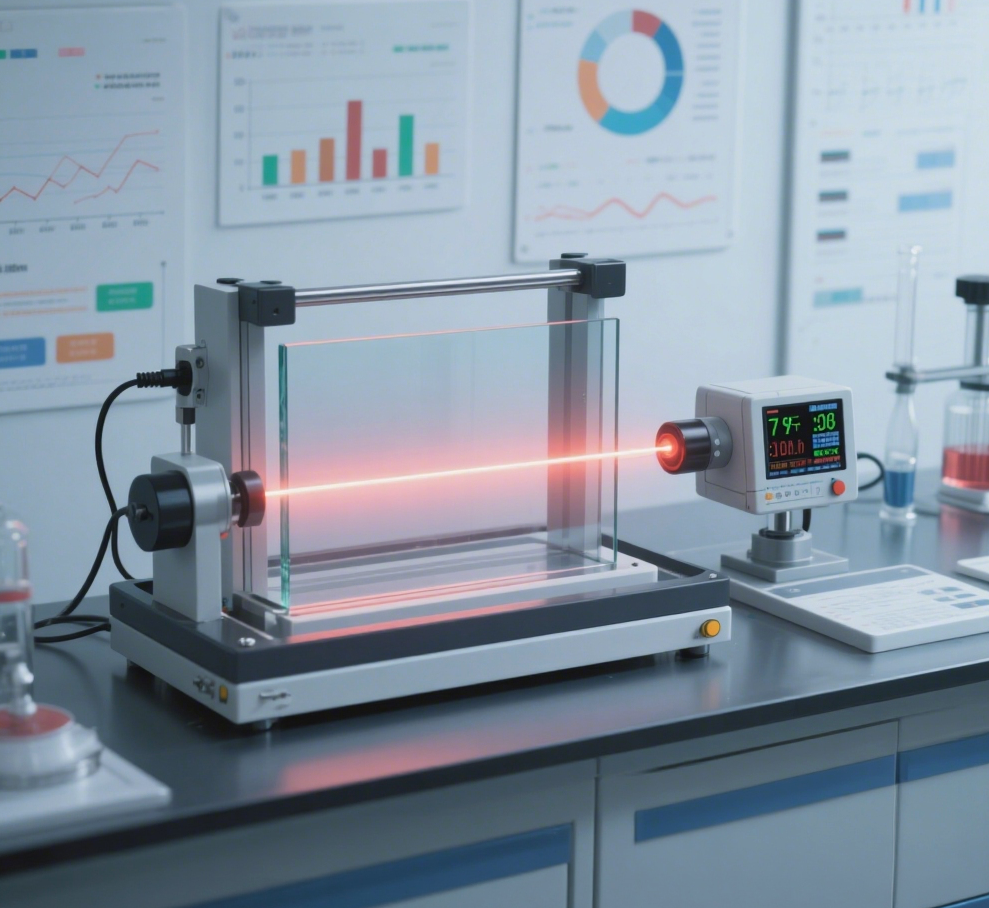
Chalcogenide glass has a fascinating story. It started as a rare material and grew into something super important for advanced tech. Let’s dive into how it all began!
In the late 1800s, scientists first noticed chalcogenide compounds, but they didn’t know how useful they could be.By the 1950s, researchers like Frerichs discovered that chalcogenide glass could transmit infrared light really well. This made it super interesting for things like night vision and heat detection.Around the same time, Stookey accidentally created glass-ceramics, which led to new ways of making chalcogenide glass stronger and more useful.
In the 1960s, chalcogenide glass started being used in early versions of memory devices. People realized it could switch between different states to store information.By the 1970s, researchers figured out how to make chalcogenide glass even better by mixing in other elements. This helped it handle more heat and last longer.In the 1990s, chalcogenide glass got a big boost when it was used in rewritable CDs and DVDs. Suddenly, everyone had a piece of this cool material in their homes!
At first, chalcogenide glass was mostly used in labs and for special projects. But as technology grew, people found more and more ways to use it.Today, it’s a key part of high-tech gadgets like infrared cameras, super-fast memory devices, and even some medical tools. It’s like the hidden hero behind a lot of cool inventions!Chalcogenide glass has come a long way from being a rare find to being a super important part of our tech world.
Imagine a glass that can see things regular glass can’t! Chalcogenide glass is super transparent to infrared light. This means it can help us see heat signatures, making it perfect for night vision goggles and thermal cameras. Unlike traditional silica glass, which blocks infrared light, chalcogenide glass lets it pass right through. This opens up a whole new world of possibilities for things like remote sensing and medical imaging.
Exceptional Infrared Transparency: Chalcogenide glass can transmit infrared light up to 20 µm, way beyond what silica glass can do.
Applications in Infrared Optics: Used in infrared detectors, lenses, and optical fibers for things like thermal imaging and remote sensing.
Comparison with Traditional Silica Glass: Silica glass is great for visible light, but chalcogenide glass shines in the infrared spectrum.
Chalcogenide glass isn’t just good at seeing things—it’s also great at handling electricity! It behaves like a semiconductor, which means it can switch between different states. This makes it perfect for memory devices and other electronics. When you apply a little bit of electricity, it can change its structure and store information. This is how it’s used in things like rewritable CDs and next-gen memory devices.
Semiconducting Behavior: Chalcogenide glass can switch between amorphous (glassy) and crystalline states, changing its electrical properties.
Electrical Switching and Memory Applications: Used in phase-change memory (PCM) devices for fast and efficient data storage.
This glass is like a superhero with a heat shield! It has a high glass transition temperature, which means it can handle a lot of heat without breaking down. This makes it super stable and reliable, even in high-temperature environments. Plus, it’s resistant to crystallization, which helps it keep its properties over time.
Glass Transition Temperature: Chalcogenide glass can handle temperatures up to 600°C or more, depending on its composition.
Thermal Stability: It stays stable and doesn’t change its properties easily, making it great for long-term use.
Resistance to Crystallization: Prevents the glass from turning into crystals, which could mess up its performance.
Chalcogenide glass is not just tough—it’s also really strong and durable! It can handle a lot of stress without breaking, which makes it perfect for applications where things get rough. Whether it’s used in high-stress environments or in delicate instruments, chalcogenide glass can hold its own.
Strength and Durability: Chalcogenide glass can withstand high pressures and physical stress.
Applications in High-Stress Environments: Used in industrial applications and medical devices where durability is key.
| Property Category | Key Features |
|---|---|
| Optical Properties | Exceptional infrared transparency (up to 20 µm) Applications in infrared optics (detectors, lenses, optical fibers) Superior to silica glass in infrared spectrum |
| Electrical Properties | Semiconducting behavior (switches between states) Used in phase-change memory (PCM) devices for data storage |
| Thermal Properties | High glass transition temperature (up to 600°C) Excellent thermal stability and resistance to crystallization |
| Mechanical Properties | High strength and durability Suitable for high-stress environments and medical devices |
Chalcogenide glass stands out for its remarkable combination of optical, electrical, thermal, and mechanical properties. Its ability to transmit infrared light, behave as a semiconductor, resist high heat, and maintain structural integrity under stress makes it an ideal material for advanced technologies—from thermal imaging and data storage to aerospace and medical applications. Simply put, it’s a powerhouse material unlocking next-gen innovation across multiple fields.

Chalcogenide glass is like a memory superhero! It’s used in rewritable CDs and DVDs. When you burn a CD, the glass changes state to store your music or data. This magic happens thanks to phase-change memory (PCM) technology. PCM lets the glass switch between states super fast, making it perfect for next-gen memory devices that need quick read and write speeds.
Rewritable CDs and DVDs use chalcogenide glass to store data.
Phase-change memory (PCM) technology switches states quickly for fast data storage.
Infrared is like a secret world that chalcogenide glass can see! It’s used in infrared detectors, lenses, and optical fibers. These tools help us see heat signatures, which is super useful for thermal imaging systems. Think of it like night vision goggles that let you see in the dark. Chalcogenide glass is also great for remote sensing applications, like detecting gases from far away.
Infrared detectors and lenses help see heat signatures.
Thermal imaging systems use this glass for night vision and heat detection.
Optical fibers transmit infrared light for remote sensing.
Chalcogenide glass is like the super-speed runner of fiber optics! It can transmit data at super high speeds, especially in the mid-infrared range. This makes it perfect for high-capacity data transmission, like sending lots of information over long distances. Scientists are also working on using it for future communication systems, which could be even faster and more powerful than what we have now.
Mid-IR fiber optics use chalcogenide glass for super-fast data transmission.
Future communication systems might rely on this glass for even more speed and capacity.
In the medical world, chalcogenide glass is like a superhero doctor! It’s used in laser surgery to cut and heal tissues with precision. It’s also great for medical imaging, like seeing inside the body without cutting it open. The glass is non-toxic and can handle high temperatures, making it perfect for medical devices.
Laser surgery uses chalcogenide glass for precise cutting and healing.
Medical imaging tools rely on this glass to see inside the body safely.
Chalcogenide glass is always ready for new challenges! Scientists are working on integrating it into photonic integrated circuits. These are like tiny, super-fast highways for light, which could make our gadgets even more powerful. It’s also compatible with 5G networks, LiDAR systems, and quantum photonics. Imagine self-driving cars that can see better or super-fast internet connections—that’s what chalcogenide glass could help us achieve!
Photonic integrated circuits could use chalcogenide glass for super-fast light highways.
Compatible with 5G, LiDAR, and quantum photonics for future tech advancements.
Chalcogenide glass is like a jack-of-all-trades. From storing data to seeing in the dark, it helps different industries do amazing things.
Chalcogenide glass likes to turn into crystals, but that’s a problem. When it crystallizes, it messes up its ability to transmit light and electricity. Imagine a clear window turning foggy—that’s what happens to the glass. To keep it stable, scientists use special techniques like adding other elements to slow down crystallization. They also control the temperature really carefully during production.Crystallization makes the glass less transparent and changes its electrical properties.Adding other elements and controlling temperature helps prevent crystallization.Scientists are always looking for new ways to make the glass more stable.
For chalcogenide glass to work its best, it needs to be super pure. Even tiny bits of impurities can mess things up. Think of it like a recipe: if you add the wrong ingredient, the whole thing can go wrong! To make sure the glass is pure, scientists use special methods like chemical distillation and high-purity starting materials. This helps get rid of unwanted stuff and keeps the glass clean.Impurities can cause optical loss and make the glass less effective.Chemical distillation and high-purity materials help keep the glass clean.Scientists are working on even better ways to make the glass super pure.
Right now, making chalcogenide glass is tricky and expensive. It’s like trying to bake a cake, but the oven is super finicky and the ingredients are hard to find. This makes it hard to produce a lot of glass quickly and cheaply. But scientists are working on it! They’re looking for new methods that are easier and cheaper, so we can make more glass without breaking the bank.
Current production methods are slow and expensive.New techniques are being developed to make production faster and cheaper.Scientists hope to find ways to scale up production without sacrificing quality.Chalcogenide glass has some challenges, but scientists are working hard to solve them. By making the glass more stable, purer, and easier to produce, we can unlock even more of its amazing potential!

Currently, researchers are deeply engaged in advancing the capabilities of chalcogenide glass. Efforts are focused on enhancing its stability by preventing crystallization and improving its purity to optimize performance. These advancements aim to create a versatile material that can be tailored for a wide range of applications.
Chalcogenide glass holds immense potential for future innovations. Its unique properties make it suitable for developing compact, high-performance devices. For instance, it could be integral in creating miniaturized gadgets, next-generation memory devices with ultra-fast data processing capabilities, and advanced sensors that offer unprecedented detection capabilities.
In the realm of optoelectronics and photonics, chalcogenide glass is poised to play a transformative role. Its ability to efficiently handle light and electricity positions it as a key material for developing light-powered gadgets, high-speed communication systems, and devices that leverage light-based information processing. These advancements could revolutionize how we interact with technology and pave the way for a new era of optoelectronic innovations.Chalcogenide glass is a material rich with potential. As scientists continue to explore its capabilities, the future promises exciting new applications and technological breakthroughs.
Chalcogenide glass is a special type of glass containing elements like sulfur, selenium, and tellurium. These elements give it unique properties that make it useful in various advanced technologies.
Unlike regular oxide glass, chalcogenide glass is made with chalcogens, which allow it to transmit infrared light and behave as a semiconductor. This makes it ideal for applications like infrared optics and memory devices.
Chalcogenide glass has exceptional infrared transparency, semiconducting behavior, high thermal stability, and mechanical durability. These properties make it suitable for a wide range of applications.
The main challenges include its tendency to crystallize, which affects its optical and electrical properties, the need for high purity to ensure performance, and the current limitations in scalable and cost-effective production methods.
Chalcogenide glass holds immense potential for future innovations, including miniaturized gadgets, next-generation memory devices, advanced sensors, and high-speed communication systems. It could also play a key role in optoelectronics and photonics.
Yes, chalcogenide glass is safe for use in many applications. However, like any material, it needs to be handled properly to avoid contamination and ensure optimal performance.
Ready to explore the cutting-edge possibilities of chalcogenide glass? From its unique optical and electrical properties to its wide range of applications, this material is set to revolutionize industries. Join us at Band Optics, where we’re pushing the boundaries of innovation with high-precision optical components and custom lenses.
Discover how our advanced solutions can enhance your projects and drive technological advancements. Visit Band Optics to learn more and unlock the future of optoelectronics today!Don’t miss the opportunity to see firsthand how chalcogenide glass is transforming the future. Connect with us and be part of the next wave of technological breakthroughs!


