close
Choose Your Site
Global
Social Media

Views: 0 Author: Site Editor Publish Time: 2026-07-02 Origin: Site


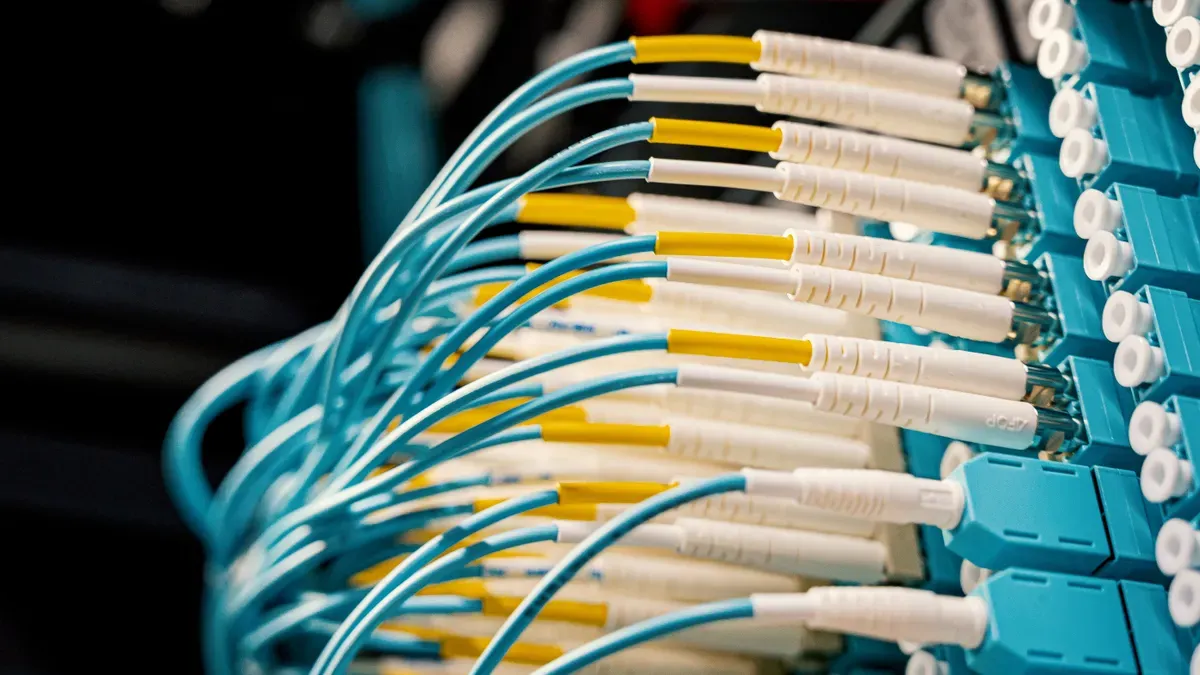
Image Source: pexels
Choose the right fiber coupling lens by looking at three things: numerical aperture, focal length, and material. You need to match these things to your optical module and fiber type. If you do not match the lens, you may get less light, optical crosstalk, color shading, and bad image quality. Use high-precision products like band-optics Spherical Lenses for the best results. Always check what your project needs and do not skip these steps when picking any optical part.
Make sure the numerical aperture, focal length, and material fit your optical module and fiber type. This helps light move better.
Pick the right fiber type and core size for your system. This lowers light loss and makes things work well.
Choose lens materials and coatings that cut down reflection and scattering. This gives you the best optical performance.
Select the lens shape that fits your needs. Use spherical for most jobs. Use aspheric for tasks that need high precision. This makes images clearer and reduces mistakes.
Use a checklist to check alignment, connector compatibility, and environmental protection. This keeps optical coupling reliable.
First, figure out what your optical module does. Each module has its own job. Some send data, some sense things, and some measure light. You need to know if your module must keep most of the light or if it can lose some. Changing the lens shape can help the light move better. This makes the module work better. If you skip this, you might see bigger light spots. You could also lose more light at the fiber end. A good optical path helps the light come together. This is important for how well the module works.
You also need to check how much error and efficiency your project can handle. The table below shows how small errors can change efficiency:
Tolerance (μm) | Coupling Efficiency (%) |
|---|---|
±9 | > 70 |
±3 | High margin |
If your project needs to be very exact, use band-optics Spherical Lenses. These lenses help control the light path. They also help you get the right efficiency.
Now, pick the right fiber for your module. The fiber type and core size must fit your system. The two main types are single-mode and multimode fibers. Single-mode fibers have a small core. They are good for long distances or very exact jobs. Multimode fibers have a bigger core. They are better for short distances or fast data.
Here is a quick guide for fiber core sizes:
Fiber Type | Core Size (microns) |
|---|---|
Single-mode | 8-9 |
Multimode | 50 or 62.5 |
Always match the fiber core size to your module’s needs. This helps move the light better and lose less. Picking the right fiber and lens stops problems like Fresnel reflection. It also helps your module work well. For hard jobs, band-optics Spherical Lenses give you the control you need.
Change the lens shape to get better coupling.
Check how much error you can allow.
Look out for air gaps that can reflect light and lower how well things work.
Tip: Always check what your optical module needs before you pick a fiber coupling lens. This will help you avoid mistakes and get good results.
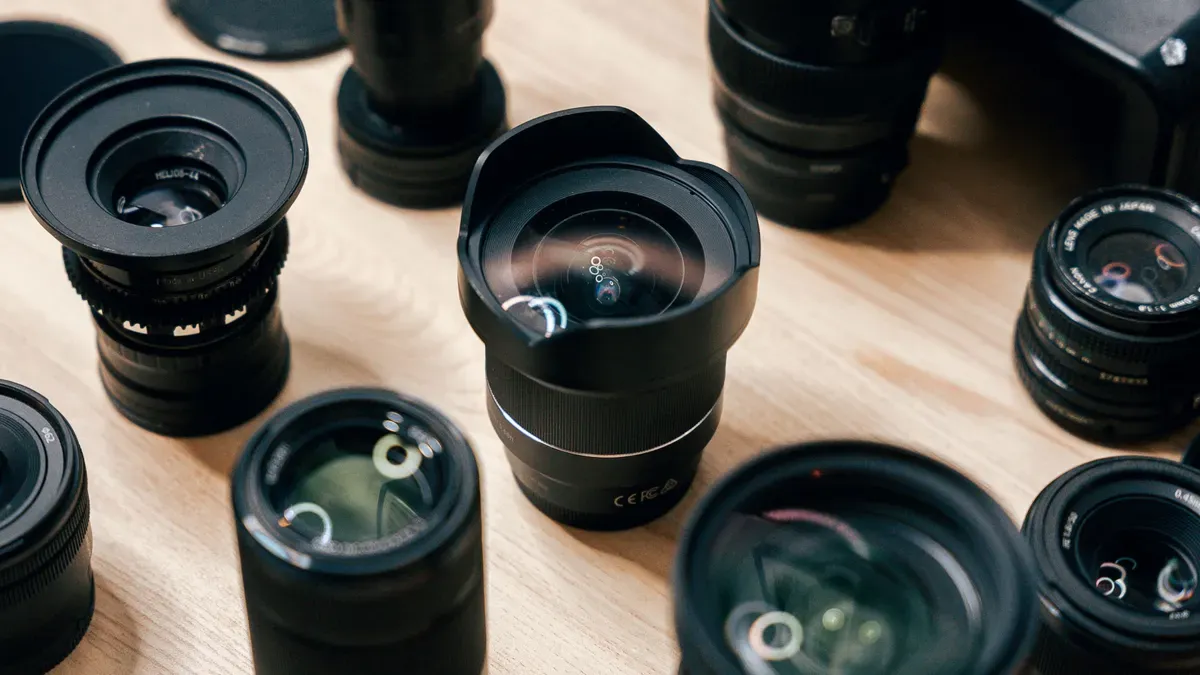
Image Source: pexels
First, you should check numerical aperture and focal length. These two things decide how much light goes from the optical module into the fiber. If you pick the wrong numbers, you will lose light and get lower coupling efficiency.
Numerical aperture tells you how much light the lens can take in. If the numerical aperture matches the fiber, you get better results.
If the lens has a higher numerical aperture than the fiber, some light will not go into the fiber. This means you lose efficiency.
Focal length changes how the lens focuses light. A short focal length makes the lens focus light into a small spot. You have to line up the lens very carefully or you will lose light.
A long focal length gives you more room for mistakes but can spread the light too much.
Here is a table that shows the best choices for different fiber types:
Fiber Type | Numerical Aperture (NA) | Focal Length Consideration |
|---|---|---|
Single-mode | 0.10 - 0.14 | Long-haul networks |
Multi-mode | 0.20 - 0.29 | Data centers using VCSELs |
If you want high coupling efficiency, always match the numerical aperture and focal length to your fiber and optical module. Band-optics Spherical Lenses let you control these values well, so you get the best results.
Tip: Always check the numerical aperture and focal length before you put in any optical lens. This helps you keep light from being lost and keeps your system working well.
You need to pick the right material and coating for your optical lens. The material changes how light moves through the lens. The coating helps stop light from bouncing back into the module.
Materials like Schott, CDGM, Ohara, Hoya, and Corning glass are good for visible and near-infrared light.
For special optical systems, you can use infrared materials like Sapphire, Silicon, Zinc Selenide, and Zinc Sulphide.
The coating on the lens helps lower insertion loss and back reflection. Anti-reflection coatings make the lens work better.
Smooth changes between the lens and fiber help lower scattering and reflection losses.
Band-optics Spherical Lenses use good materials and special coatings. These things help you get high coupling efficiency and good optical performance.
Note: Always check the refractive index of the material and the type of coating. This helps you lose less light and get better results.
You need to pick the right lens shape for your optical module. Spherical and aspheric lenses work in different ways.
Feature | Spherical Lens | Aspheric Lens |
|---|---|---|
Mode Field Matching | Poor | Excellent |
Numerical Aperture Fit | Limited | Precise |
Light Loss | High | Low |
Parameter | Spherical Lens | Aspheric Lens |
|---|---|---|
Aberration Control | Shows more spherical aberration; needs extra parts | Almost no spherical aberration; can also fix coma and astigmatism |
Image Quality | Good at small openings; blurry edges at big ones | High resolution and contrast even at wide openings |
Resolution | Limited by leftover aberrations and diffraction | Almost reaches diffraction-limited performance |
Spherical lenses are easy to make and work well for simple optical systems. They may show more problems and lose fine details.
Aspheric lenses match the mode field better and fit the numerical aperture more closely. They keep high image quality and give sharp, clear pictures.
Aspheric lenses help you see very small details in advanced optical jobs.
Band-optics Spherical Lenses are very precise and have few problems. You can use them for many optical coupling jobs. If you need even better results, you can use aspheric lenses for your optical module.
Tip: Pick the lens shape that fits your job. Spherical lenses are good for normal coupling. Aspheric lenses are better for high-precision optical systems.
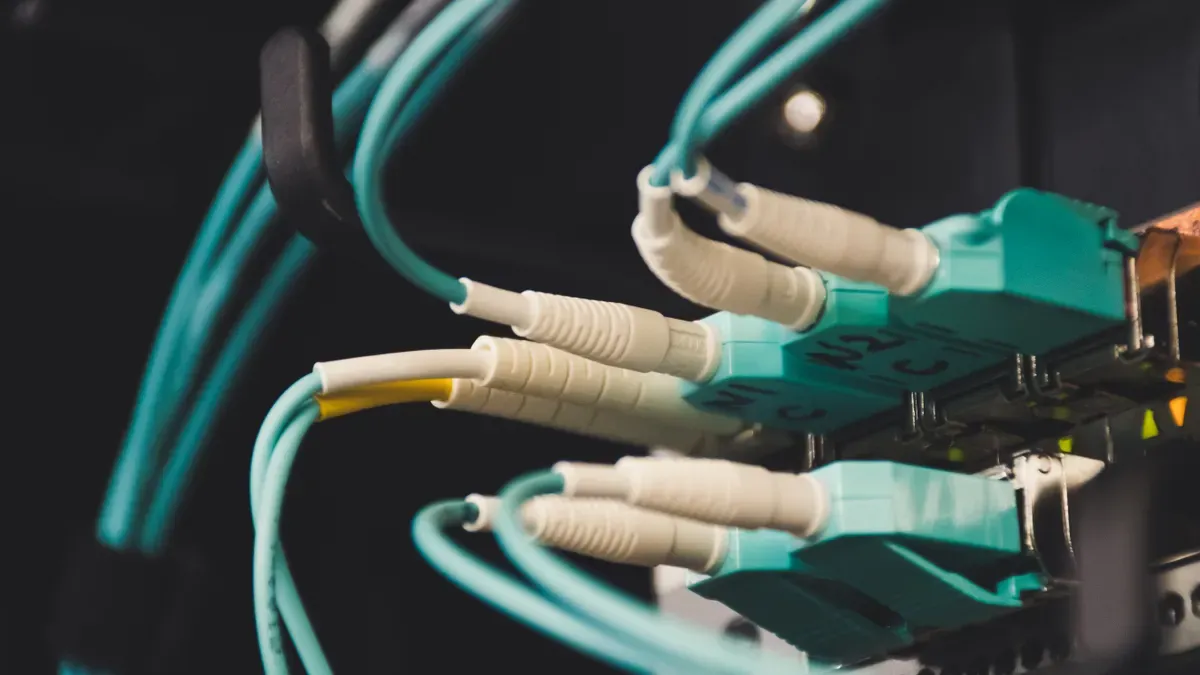
Image Source: pexels
To get the best optical performance, you need to match single mode fibers well. First, make sure both fibers have the same mode field diameter. If they match, use a magnification of 1. This helps you get the most coupling efficiency. Build your optical system so it is diffraction-limited. This lowers aberrations and gives a clean Gaussian profile at the receiver. The fiber input should match the Gaussian waist of the fiber. Fiber lenses can help control beam divergence, spot size, and focus position. These changes help when components have different mode field diameters. Fiber lenses come in types like spherical, inclined plane, wedge, and conical. Each lens type solves different optical coupling problems.
Precise alignment is very important for coupling. Small moves can cause big losses. You must line up the lens and fiber both sideways and lengthwise. Mechanical fit is needed for long-term reliability. Use connectors that follow SFF standards. This makes sure parts work together and keeps optical performance stable. The table below shows how mechanical factors affect reliability:
Factor | Impact on Reliability |
|---|---|
Proper alignment | Keeps physical engagement consistent, reduces signal degradation |
Adherence to standards | Guarantees compatibility and performance |
Optical parameter matching | Prevents high return loss and degraded performance |
Connector quality | Maintains signal quality in high-speed optical modules |
Keep things stable against vibration and temperature changes. Use good connectors to stop signal loss in tough environments.
You must keep loss and reflection low to make your optical system efficient. Aim for insertion loss between 0.05 and 0.10 dB for best results. Use polishing methods like convex physical contact or angled physical contact to lower reflectance. Clean all surfaces before coupling. This stops extra loss and back reflection. Splicing methods, like fusion splicing, help get low back reflections. Mechanical splicing works well for multimode fibers. Band-optics Spherical Lenses help you get low insertion loss and high return loss values. For single mode fiber, average insertion loss is less than 2.0 dB. For multimode fiber, average insertion loss is less than 1.5 dB. Maximum insertion loss stays below 2.5 dB for single mode and 2.0 dB for multimode. These numbers keep your optical module working well.
Tip: Always check insertion loss and return loss after you install. This helps your optical module stay efficient and stops unexpected coupling problems.
If you do not check connector compatibility, you can lose optical performance. Many people forget to see if connectors fit the fiber and lens. Dirty fiber interfaces often cause insertion loss and reflectance problems. These problems lower the link margin and can make bit error rates go up. Every time you connect or disconnect, you might lose optical power. Even a small misalignment at the connector can make insertion loss worse and hurt the optical link budget. The connector interface is the weakest spot in high-speed optical communication systems, especially at fast speeds like 112G PAM4. Always clean and check connectors before you use them. Make sure you use the right connector type for your optical module and fiber.
Common mistakes to avoid:
Using a fixed collimator that does not match its design wavelength, which makes divergence and losses worse.
Forgetting about back reflections, which can damage lasers or mess up measurements.
Not thinking about alignment tolerance, which can cause beam clipping or make things unstable.
Ignoring environmental factors that change optical performance.
Environmental conditions can change how well your optical coupling works. Temperature changes can move the focal length and misalign the lens. Humidity can hurt lens coatings and lower performance. Vibration can shake optical parts out of place. You must protect your optical communication systems from these risks to keep performance high.
Environmental Factor | Impact on Performance |
|---|---|
Temperature | Changes focal length and alignment |
Humidity | Hurts lens coatings and lowers performance |
Vibration | Can misalign optical parts |
Check your setup for these risks, especially if you use high-precision coupling in tough environments.
Follow this checklist to pick the best fiber coupling lens for your optical communication systems:
Decide your optical module’s job and what performance you need.
Pick the right fiber type and core size for your job.
Match the numerical aperture and focal length to your fiber and module.
Choose lens material and coating for your wavelength and environment.
Pick the lens shape that fits your coupling needs.
Check connector compatibility and clean all interfaces.
Think about environmental factors like temperature, humidity, and vibration.
Test for insertion loss and back reflection after you install.
Tip: Careful planning and paying attention to details help you get top performance in optical communication. Use this checklist to avoid mistakes and get the most from your coupling setup.
You can pick the right fiber coupling lens by following these steps. Always make sure the lens fits your optical module and fiber type. Use the checklist so you do not make mistakes and get the best results. If you need something special, talk to band-optics experts. Their team knows about fiber optics, electrical engineering, and thin-film processes. Band-optics Spherical Lenses are precise and help you get good optical performance in many areas.
Application Area | Contribution to Optical Performance |
|---|---|
Medical Devices | Help doctors see better and treat patients with more control |
Endoscopes | Give clear and sharp images for finding and treating problems |
Customization | Made to fit special needs for strong and steady performance |
Spherical lenses have good optical features, many material options, and can be made for advanced optical systems.
You use a fiber coupling lens to focus optical signals into a fiber. This lens helps you get more transmission efficiency. The right fiber coupling lens improves your optical system’s performance. You can use a micro-lens or a micro-lens array for better results.
A micro-lens array helps you focus light into many fibers at once. You get better optical transmission and less loss. You can use a fiber array with a micro-lens array for high-density optical systems. This design works well in data centers and telecom.
You use a silicon micro-lens in fiber-coupling micro-lens design for infrared optical transmission. Silicon micro-lens arrays give you high precision. This design helps you match the optical path and improve coupling. You can use silicon micro-lens arrays in advanced optical modules.
You look at the design, pitch, and optical properties. The micro-lens array must match your fiber array. You check the transmission needs and the type of optical signal. The right design gives you better coupling and less loss in your optical fiber-coupling system.
Yes, you can use a fiber-coupling micro-lens for high-speed optical transmission. This design helps you focus light into the fiber array. You get better transmission and less signal loss. Micro-lens arrays and silicon micro-lens arrays work well for fast optical systems.


