close
Choose Your Site
Global
Social Media

Views: 0 Author: Site Editor Publish Time: 2026-07-02 Origin: Site


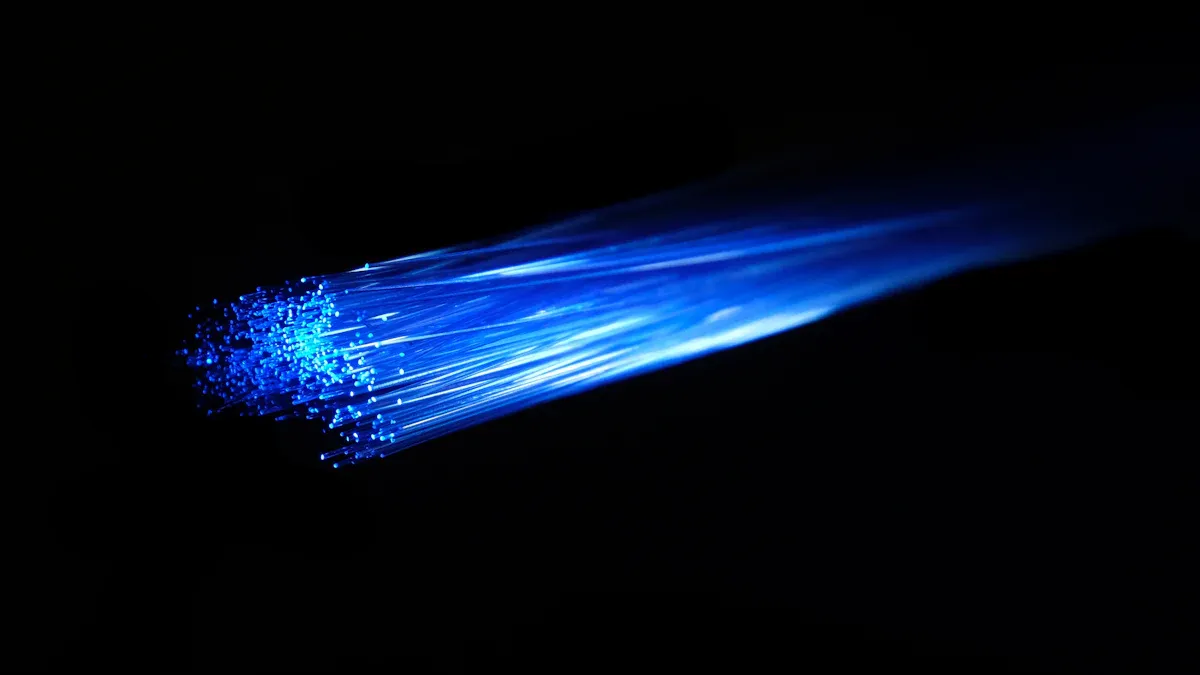
Image Source: unsplash
Glass micro capillary tube fiber optics help engineers line up fibers exactly in many optical devices. These tubes help put fibers in the right place, so the light path is correct. They also help pack delicate parts, which makes things work better and last longer. Many experts use these tubes when they want strong and neat connections in fiber optic systems.
Glass micro capillary tubes help keep fibers lined up. This lowers signal loss and makes devices work better.
These tubes keep fibers safe from dust and harm. They help optical devices work well and last longer.
Engineers use glass capillaries in many ways. They use them in collimators and fiber optic sensors. This keeps light paths strong and clear.
Picking the right size and material for glass capillary tubes is very important. It helps fiber optic systems work their best.
Glass capillaries make fiber optic devices more reliable and useful. They are needed for modern communication and sensing technology.

Image Source: unsplash
Glass micro capillary tube fiber optics help line up fiber ends and optical crystals. Engineers use these tubes to place fibers very carefully. This careful placement lets light move easily from one fiber to another. The inside width of these tubes is very exact, about ±0.001mm. This high accuracy keeps fibers in the right spot and lowers signal loss.
When fibers are lined up well, devices work better and last longer.
The table below shows how these tubes help with different alignment jobs:
Application Type | Description |
|---|---|
Optical Connectors | Used to line up and join optical fibers for good light flow. |
Optical Fiber Splices | Help join two optical fibers to keep the signal strong. |
Fiber Supports in Devices | Give support to fibers in many optical devices. |
Glass capillaries help make steady light paths inside fiber optic devices. They hold fibers in place, so the light path stays straight and clear. This is important for things like optical communication and signal processing. The tubes can hold fibers in different shapes, like dual-core parallel or isosceles triangular.
The next table shows how accurate fiber alignment can be:
Feature | Specification |
|---|---|
Inner Diameter Accuracy | ±0.001mm |
Fiber Arrangement | Dual-core parallel |
Application |
Feature | Specification |
|---|---|
Inner Diameter Precision | ±0.001mm |
Fiber Arrangement | Isosceles triangular |
Application | Optical communication |
These features help glass micro capillary tube fiber optics keep a steady and strong light path.
Glass capillaries also protect and organize fibers inside optical devices. They keep the fibers safe from dust, water, and damage. This protection keeps fibers clean and safe, which helps devices work better. The tubes also help keep many fibers neat, making the device easier to put together and fix.
Many fiber optic uses need glass capillary tubes for both safety and neatness. This neatness helps devices work better and last longer.
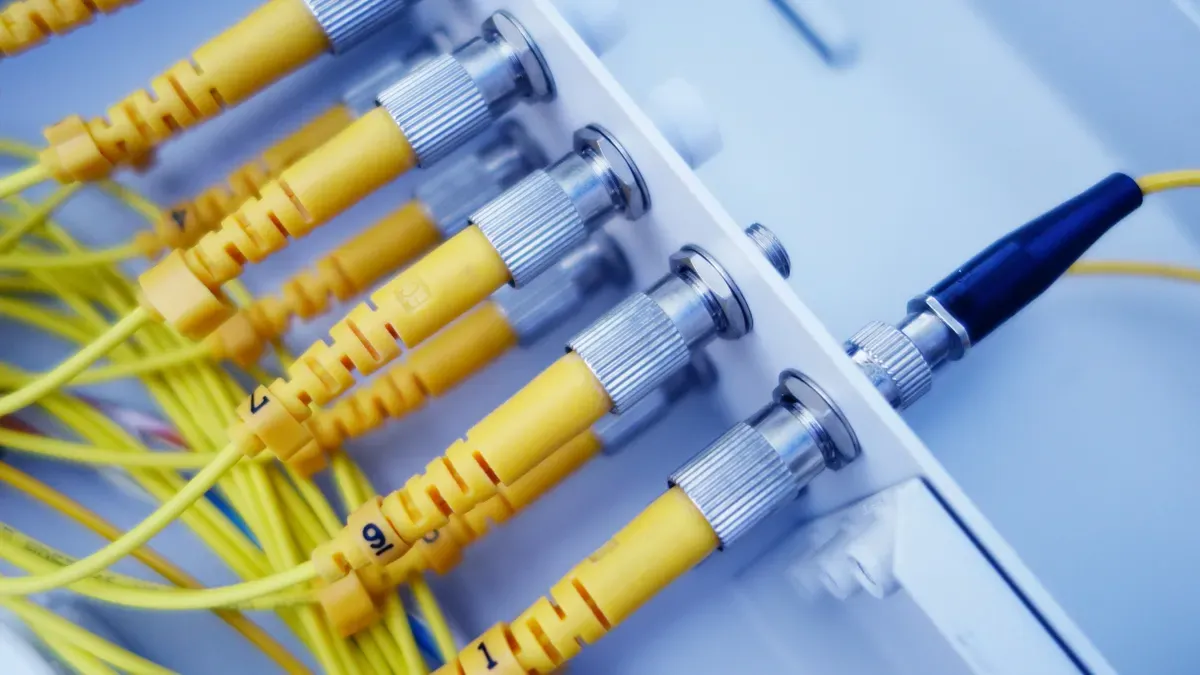
Image Source: pexels
Engineers use glass micro capillary tube fiber optics in many devices. These tubes help line up fibers in collimators and pigtails. Collimators need fibers to stay straight so light does not spread out. Pigtails connect fibers to other parts of the system. Glass capillaries hold these fibers in place and keep them safe from harm.
Some common uses are:
Packaging for collimators
Fiber pigtails
All-glass optical devices
Combiners
CWDM and CCWDM devices
The table below shows how different glass capillaries help these devices work better:
Capillary Type | Performance Improvements |
|---|---|
Circular Dual-Fiber Glass Capillary | Lines up fibers well, keeps light moving, handles heat, lowers signal loss. |
High-Precision 3-Bore Glass Capillary | Keeps fibers lined up, makes signal loss very low, lets more light paths join together. |
D-Shaped Glass Capillary | Lines up fibers, holds them steady, gives a strong spot to measure, stops fibers from turning. |
Single Hole – Single Fiber Capillary | Guides fibers very well, keeps them steady, works well for a long time. |
Glass capillaries help collimators and pigtails by holding fibers steady and lowering signal loss.
Glass micro capillary tube fiber optics are important in DWDM and passive devices. DWDM systems send many light signals at once using different colors. This lets more data move through one fiber. Glass capillaries help keep these fibers neat and lined up inside the device.
Some uses in this area are:
DWDM modules
AWG
VOA
PLC
FTTH
Collimated fiber arrays
Micro-optics
VCSEL and array laser chips
Many DWDM systems use hollow-core fibers that need glass capillary tubes. These systems must keep fibers safe from gas and water. More and more of these fibers are being made, but they are not in every network yet.
Glass capillaries also help in fiber optic sensors and as a base for coatings. In sensor heads, glass capillary tubes block outside light and keep the sensor clean. The glass has a higher refractive index, so it stops unwanted light. Engineers can pick the size of the tube to control how liquids move inside the sensor.
The table below shows how glass capillaries help make sensor heads:
Component | Description |
|---|---|
Glass capillary tubes | Block outside light because the glass bends light more than the liquid. |
Capillary action | Makes sure liquid fills the area around the fiber, even if normal capillary action is weak. |
Inner diameter of capillaries | Can be picked to stop liquid from moving outside the probe. |
Fiber connector | Makes it easy to take off the sensor head for cleaning or changing. |
Recommended components | Use probe capillaries with 700 μm inner diameter, fibers with 300 μm outer diameter, and SMA connectors. |
Application potential | Good for point-of-care use because it is easy to use and the sensor head can be changed. |
Glass micro capillary tube fiber optics are also used as a base for special coatings. These coatings can give the fiber new jobs, like sensing chemicals or heat. There are many ways to use glass capillaries in both communication and sensing.
Glass micro capillary tubes help fiber optic devices work better. They keep fibers in the right spot, so light moves easily from one fiber to another. This good alignment lowers signal loss and helps the device send clear signals. Many engineers pick these tubes because they help devices move more data and work faster. The glass in these tubes is very pure, so light can pass through with little loss. This is important for getting correct measurements.
Devices with fibers lined up well often have stronger signals and last longer.
These tubes give fiber optic systems strong support and exact placement. Glass capillaries are made with tight size controls, so each fiber fits just right. This means devices can work in hard places without losing quality. The tubes also keep fibers safe from dust and water, which helps the system last a long time. Some capillaries, like SB Glass Capillaries, have special shapes that hold fibers steady and make it easier to polish connections. This makes them a good pick for jobs that need high accuracy.
Glass capillaries work in many kinds of fiber optic devices. Their different shapes and sizes help engineers fix many problems. Some common uses are:
Getting fibers ready for building and fixing communication systems
Microfluidics and tools that need exact measurements
Devices that use round or multi-channel designs
These tubes are made from borosilicate or quartz glass, which makes them strong and gives them clear paths for light. They also help in jobs that need high sensitivity, like sensors and lab equipment. The table below shows some devices that get help from their many uses:
Device Type | Benefit Provided |
|---|---|
Communication Systems | Easy fiber preparation and maintenance |
Analytical Instruments | Accurate and repeatable measurements |
Multi-fiber Arrays | Strong support for many fibers |
Glass capillaries help engineers build systems that are reliable and flexible for many uses.
Picking the right glass micro capillary tube is very important. It helps make fiber optic devices strong and reliable. Engineers think about many things before they choose a tube. The best tube keeps fibers lined up, protects them, and helps signals stay clear.
Engineers must match the tube size to the fiber and process. The outer diameter and wall thickness help support the fiber during making. The table below shows common sizes for different ways to make tubes:
Process | Typical Outer Diameter (OD) | Typical Wall Thickness | Key Considerations |
|---|---|---|---|
MCVD (Modified Chemical Vapor Deposition) | 20–50 mm | 1.5–4 mm | Helps keep the inside even and steady when heated. |
OVD (Outside Vapor Deposition) | 40–100 mm+ | 2–6 mm | Bigger tubes fit bigger preforms, thicker walls make tubes stronger. |
VAD (Vapor Axial Deposition) | 30–80 mm | 2–5 mm | Good sizes help the tube grow well and heat stays even. |
The tube’s diameter also affects how fibers line up. Small cores need careful lining up to stop signal loss. Big cores are easier to line up but can lose more signal. Engineers pick the size based on single-mode or multimode fibers.
Material quality is important for how long the tube lasts and works. Good glass gives better resistance to chemicals and is stronger. This makes the tube last longer and work well in hard places.
Important features to look for are:
High size accuracy
Great polishing ability
Lets UV light pass through well
Strong against chemicals
Strong against tough environments
Common materials are quartz glass, fused silica, and borosilicate glass. These materials are used for connectors, splices, and sensors.
Compatibility makes sure the tube works with the fiber type. Engineers check for extra losses, modal isolation, and fiber setup. The table below shows important points:
Compatibility Aspect | Details |
|---|---|
Excess Losses | Synthetic fused silica tubes can lose more signal than fluoride-doped tubes. |
Modal Isolation | A bigger difference between fiber cladding and tube helps keep modes apart. |
Fiber Configuration | Some designs, like MSPLs, need special shapes for good mode mapping. |
Tip: Always pick the tube’s size, material, and shape to match the fiber and device for the best results.
Glass micro capillary tubes are very important in fiber optics. They help line up fibers so light moves the right way. These tubes also keep fibers safe and help put devices together. Picking the best tube makes devices work better and last longer. The table below shows how the right tube helps fiber optic systems:
Property | Description |
|---|---|
Superior light performance | Glass fibers let a lot of light go through. They have a big opening for light, so more light can pass. |
Strength and flexibility | Glass fibers can be made very thin, even 30 microns. This lets them bend in small spaces for many uses. |
Thermal stability | Glass stays strong up to 350 °C. This means it works well in hot places. |
Design flexibility | Small glass tubes can be put in tight groups. This helps make tricky shapes and spread light well. |
Chemical resistance | Glass does not react with many chemicals. This keeps it strong and easy to clean. |
Researchers found that glass capillary tubes help make small sensor probes. These probes can find chemicals even in tiny amounts. This is good for the environment and for health care. Picking the right tube makes fiber optic devices strong, safe, and work well.
A glass micro capillary tube is a very small, hollow glass tube. Engineers use it to hold optical fibers in place. The tube keeps the fibers straight and protects them inside devices.
Glass can handle heat and chemicals better than plastic. It stays clear and keeps its shape for a long time. This makes glass a good choice for fiber optic jobs.
Glass capillary tubes keep fibers lined up well. This helps stop signal loss and keeps light moving straight. Devices send better signals when fibers do not move.
Yes. These tubes come in many sizes. Engineers choose the size that fits the fiber best. This works for both single-mode and multimode fibers.
People might see these tubes in internet cables, medical sensors, or lab tools. They help send data, measure things, and keep fibers safe.


