close
Choose Your Site
Global
Social Media

Views: 0 Author: Site Editor Publish Time: 2025-12-26 Origin: Site


Macro photography lets you see tiny things in new ways. Small subjects show hidden beauty when you use this style. Many photographers feel surprised by the details macro lenses show. The type of macro lens you pick matters a lot. It affects how sharp and clear your pictures look. Some lenses make photos sharper and reduce color problems. This helps your images look better. The focal length helps you choose how close to get. Special lenses, like those from band-optics, use strong materials and careful design. These lenses give great results. New trends show fast changes in lens materials and digital tools. This makes macro photography more fun and interesting. With the right lens and some practice, anyone can learn this creative skill.
Macro photography shows tiny details in small things. Use special macro lenses to get sharp and clear pictures.
Pick the right lens for your subject. Different things, like bugs or flowers, need different lenses for good photos.
Think about your budget when you buy macro gear. Used or manual focus lenses can work well and cost less money.
Good lighting is very important for macro photography. Use diffusers or reflectors to make light softer and show more details.
Practice and trying new things help you get better. Try different angles, settings, and lenses to see what works best for your macro photos.
Macro photography helps people see things in a new way. This kind of photography takes very close-up pictures. It shows details that most people do not notice. Macro photos often show cool textures and patterns. A real macro photo has a magnification ratio of at least 1:1. This means the subject looks life-size or bigger on the camera sensor. Macro photography is different because it shows tiny details and sharp lines. Photographers use special macro photography gear for these pictures. It is important to control depth of field and make the subject stand out from the background. Good lighting makes every photo look its best.
Photographers pick a macro lens for many reasons. These lenses help take sharp and detailed photos. Macro lenses have features that make close-up shots easier and better. The table below lists some main reasons why photographers use macro lenses:
| Feature | Description |
|---|---|
| Focus Limiter Switch | Sets how close the lens can focus, which helps in hard situations. |
| Razor Thin Area of Focus | Shows small details with a shallow depth of field, making close-ups pop. |
| Longer Working Distance | Lets photographers take pictures of shy subjects, like bugs, without getting too close. |
| Lightweight for Handholding | Easy to hold, so photographers can try new angles without a tripod. |
A macro photography lens gives more control and better results than normal lenses. It helps photographers get the best from their macro photography gear.
Close-up lenses are another way to try macro photography. These lenses go on the front of a regular lens. They let you focus closer to your subject. Close-up lenses are good for beginners who want to try close-up photos without buying a special macro lens. They are not as sharp as real macro lenses, but they still show many hidden details. Band-optics makes special optical tools for both macro and close-up photography. Their skill in lens design helps photographers get clear and detailed photos. Picking the right lens, either macro or close-up, changes how your final photo looks.
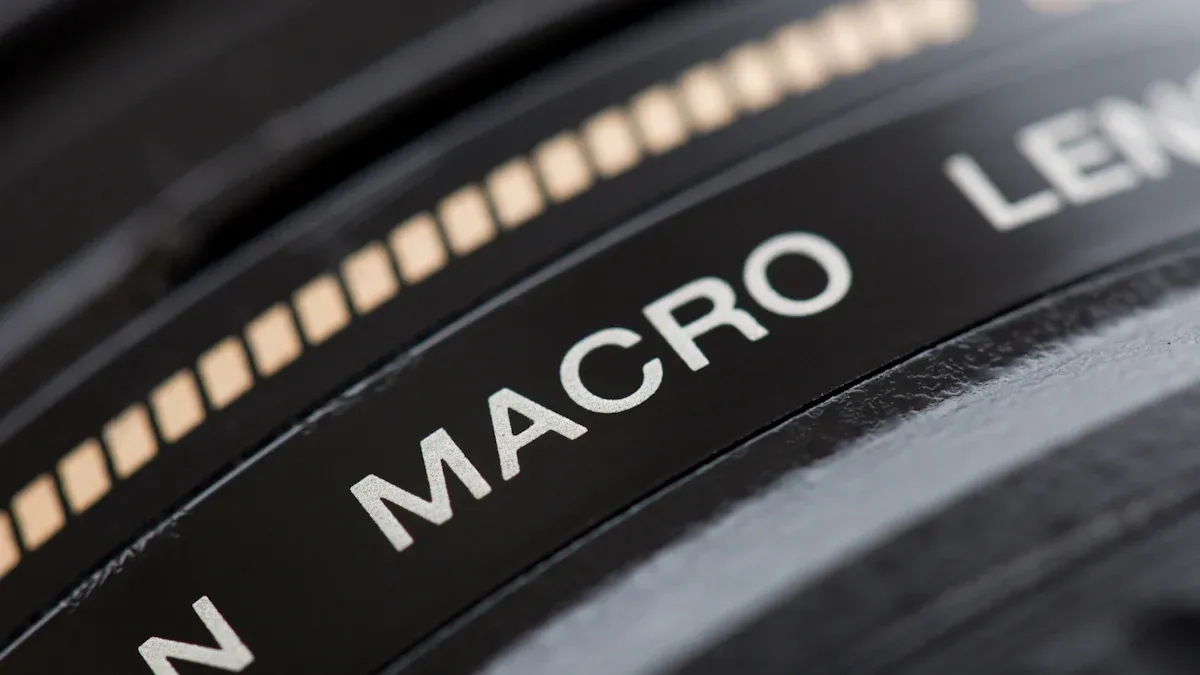
Image Source: pexels
Macro photography needs special lenses to show tiny details. Photographers can pick from different lens types and attachments. Each choice has its own good points for different needs.
Dedicated macro lenses are made for close-up photos. These lenses can make the subject fill the whole camera sensor. Photographers use them to get clear pictures of small things like bugs or rice grains. OM SYSTEM has macro lenses that zoom from 1x to 2x. You can choose lenses from 30mm to 90mm. This helps you take pictures of many subjects at different distances.
Dedicated macro lenses give:
High magnification (1:1 or 2:1)
Very sharp images for macro shots
More space for shy subjects
Can be used for portraits too
Photographers pick dedicated macro lenses for the best image quality. These lenses help show tiny details in every photo.
Spherical lenses from band-optics are great for macro photography. These lenses use strong materials and smart design. Band-optics makes spherical lenses for jobs that need sharp and reliable pictures.
Tip: You can change band-optics spherical lenses for special macro needs. This helps match the lens to your subject and where you take photos.
The table below shows what makes band-optics spherical lenses special for macro photography:
| Feature | Description |
|---|---|
| 1:1 Magnification Ratio | Subjects fill the whole image sensor when focused close. |
| Longer Focal Length Options | Gives more choices for light and how you set up your shot. |
| Minimal Light Loss | Lenses lose only a little light, better than other brands. |
| Depth of Field Characteristics | Depth of field does not change with focal length at 1:1 magnification. |
| Internal Focus Mechanism | Focus happens inside the lens, so accessories work well and performance stays strong. |
| Controlled Lens Breathing | Stops distracting changes in the image size when focusing. |
Band-optics spherical lenses are known for being exact and dependable. Photographers use these lenses to get sharp macro photos with few problems. The inside focus keeps the lens working well. Longer focal lengths help with light and how you set up your shot. These features make band-optics spherical lenses a good pick for anyone who wants to get better at macro photography.
Extension tubes and filters are another way to try macro photography. Extension tubes go between the camera and lens. They move the lens farther from the sensor to zoom in more. This does not add extra glass, so pictures stay clear. But extension tubes can make you lose some working space and infinity focus.
Close-up filters go on the front of a lens. They make the lens zoom in more by changing the focal length. Stronger filters can make pictures less clear, especially with telephoto lenses.
The table below shows how extension tubes and filters change focal length and picture quality:
| Focal Length (mm) | Required Diopters for 0.5X Magnification | Image Quality Impact |
|---|---|---|
| 50 | +10 | Gets worse with stronger filters |
| 200 | +2.5 | Can get much worse on telephoto |
Extension tubes:
Make the lens zoom in more for macro shots
Do not add extra glass, so pictures stay sharp
Make working space smaller
Close-up filters:
Zoom in more by changing focal length
Can make pictures less clear at high zoom
Photographers use extension tubes and filters to try macro photography without buying a special lens. These tools help show tiny details in everyday things.
Note: Picking the right lens or tool depends on your subject, how much you want to zoom in, and how clear you want your pictures. Band-optics spherical lenses have special features for people who want sharp and reliable macro photos.
Picking a lens starts with what you want to photograph. Macro photography can show insects, flowers, coins, and textures. Each subject needs a different lens and style. Insects move fast and can fly away. Flowers do not move but have tiny details. Photographers need to match their lens to the subject for good photos.
The table below lists things to think about when choosing a lens for macro photography:
| Factor | Description |
|---|---|
| Magnification Ratios | A 1:1 ratio shows subjects life-size. A 1:2 ratio makes them smaller, so you see less detail. |
| Camera Settings | Aperture changes how much is in focus. Wide apertures give blurry backgrounds. Small apertures make more sharp but let in less light. |
| Subject Selection | Picking flowers or insects changes how hard and detailed your photos are. |
| Focusing Techniques | Manual focus helps you be exact, especially with thin focus areas. |
| Lighting | Good light matters because close shots can make shadows. Reflectors and diffusers help control light. |
Photographers who want insect photos often use lenses with longer working distance. This lets them stay back and not scare bugs. People who take flower photos may use a 50mm macro lens for a wider view and more background. It is smart to try different lenses to see what works best for each subject.
Tip: If you want to photograph tricky subjects like tiny insects or soft flowers, band-optics spherical lenses have special choices. These lenses help you match your lens to your subject and where you take pictures.
How much money you have matters when picking macro gear. Some lenses cost more because they have special parts or better glass. Some are cheaper but still work well. Photographers should also check if the lens fits their camera.
The table below shows how budget changes lens choices for different cameras:
| Budget Range | Lens Type | Notes |
|---|---|---|
| 300−500 | Used Professional Lens | Good options like Canon EF 100mm f/2.8 or Tamron 90mm f/2.8 |
| $200 | Manual Focus Lens | Brands like TTArtisan or 7Artisans have choices |
| Varies | Third-Party Brands | TTArtisan and Tokina make cheaper lenses than Canon's L-series |
Photographers who want to save money can buy used lenses or manual focus ones. These still let you take good macro photos. It is important to check if the lens fits your camera. Not every lens works with every camera. Always check the mount and sensor size before you buy.
Note: If you need special macro gear, like unique focal lengths or coatings, band-optics can make custom spherical lenses. These fit many cameras and work for advanced needs.
When picking a macro lens, look at some key features. These features change how easy it is to use and how good your photos look.
The table below lists important features to check:
| Feature | Description |
|---|---|
| Maximum Magnification | Shows how big the subject looks on the sensor. A 1:1 ratio means life-size. |
| Minimum Focusing Distance | The closest the lens can get to the subject. Shorter distances show more detail. |
| Working Distance | The space from the lens to the subject. More space helps with shy subjects and lighting. |
| Flange Distance | The space from the lens mount to the sensor. This changes with different cameras. |
| Lens Length | The size of the lens from mount to front. Shorter lenses are easier to use. |
| Loss of Light | Macro lenses often have wide apertures to let in more light. This helps with dark photos at close range. |
| Crop Factor | Smaller sensors make subjects look bigger. This helps with magnification. |
Photographers should also think about how easy it is to focus. Manual focus gives more control, especially with thin focus areas. Good lighting helps make clear macro photos. Using reflectors or diffusers can help with shadows and bright spots.
Photographers who want advanced features, like special coatings or custom sizes, should look at band-optics spherical lenses. These work well for science, medicine, and creative macro photos. They are very exact and can be made for special projects.
Macro photography settings, like aperture and ISO, also change how your photos look. Trying different settings helps you learn what works best for you. Macro photography lets you see lots of detail. With the right lens, anyone can find and capture the beauty of small things.
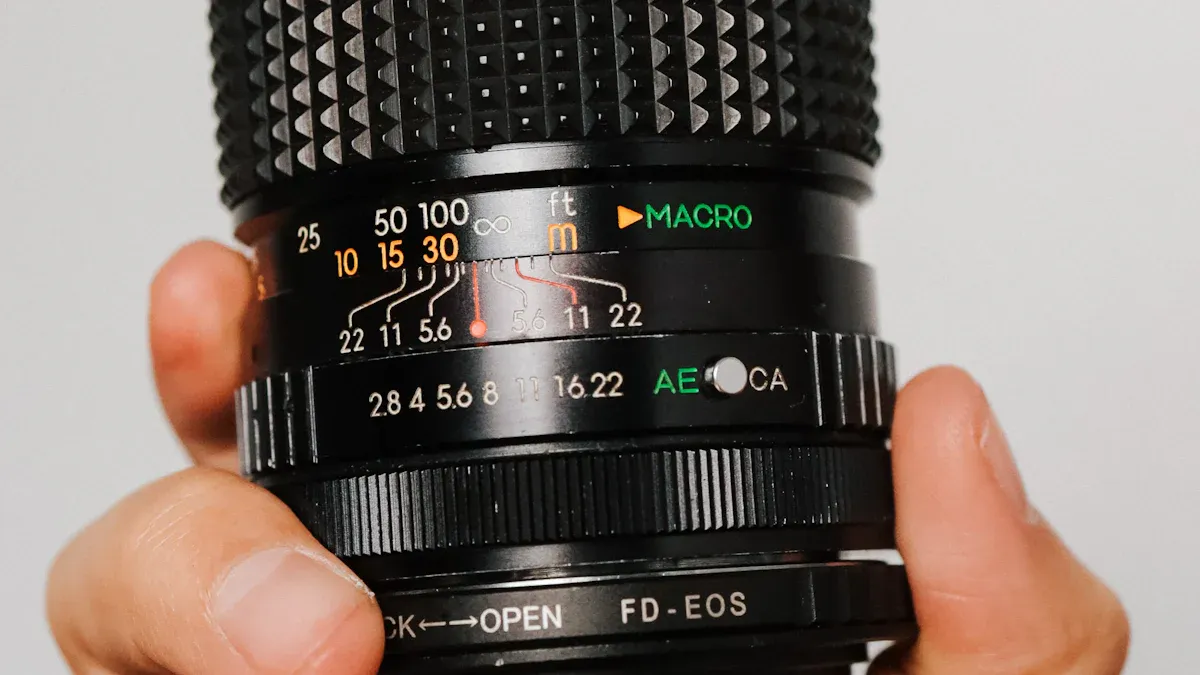
Image Source: pexels
Photographers need a good setup for sharp macro photos. Manual focus is better because autofocus can miss small things. Planning where to focus helps show the best detail. A tripod keeps the camera still and stops blur. Photographers pick a small aperture like f/11 or f/22 for more focus. When you zoom in a lot, only a small part is sharp. You must adjust carefully to get it right. Longer lenses let you stand farther from your subject. This space helps you focus and makes close-ups easier.
Tip: Manual focus is best for macro shots. Move the camera slowly and check focus before each photo.
Camera settings are important for macro photos. Photographers use aperture priority to control blur and focus. A small aperture like f/22 keeps more of the subject sharp. For things that do not move, use a shutter speed of 1/320th or faster. If the subject moves, use 1/500th or more. Start ISO at 800 and change it if you need more light. A tripod lets you use slower shutter speeds and still get clear photos. Use autofocus for big subjects and manual focus for small ones to get sharp pictures.
Note: Always check your exposure with small apertures. If it is too dark, use higher ISO or add more light.
Lighting changes how macro photos look and what you see. Hard light makes strong shadows and can hide details. Soft light shows more texture and looks nice. Photographers use diffusers or reflectors to make light softer. Backlighting can show the shape and texture of the subject. Good lighting setup is important for close-up photos. Try different angles and lights to see what works best.
Soft light shows more detail and looks natural.
Hard light makes drama but can hide features.
Backlighting shows edges and textures.
Tip: Use diffusers or reflectors to make light softer and stop harsh shadows in macro photos.
Many people find depth of field problems in macro photography. When the camera gets close to a subject, only a small part stays sharp. This makes it hard to show all the details. Photographers can use these methods to solve depth of field issues:
Use focus stacking. Take several photos with different focus points and combine them on a computer. This makes more of the subject sharp.
Set the camera to a narrow aperture, like f/8 to f/16. This helps keep more of the subject in focus.
Use a tripod. A stable camera helps when taking many photos for focus stacking.
A table can help explain what changes depth of field:
| Factor | Effect on Depth of Field |
|---|---|
| Aperture | Smaller aperture = more in focus |
| Magnification | Higher magnification = less in focus |
| Focal Length | Longer lens = less in focus |
| Subject Distance | Closer = less in focus |
High-quality lenses, such as those from band-optics, keep images sharp even at close distances. This helps photographers get clear details in macro shots.
Camera shake is a big problem in macro photography. Even small movements can make photos blurry. Photographers can use these tips to keep the camera steady:
Use a strong tripod to hold the camera still.
Set a timer or use a remote to take the photo without touching the camera.
Pick a fast shutter speed to freeze movement.
Make sure the table or floor does not move.
Turn off vibration reduction when using a tripod, but turn it on when holding the camera.
Band-optics lenses help by keeping focus sharp at close range. This makes it easier to get clear macro images.
Lighting can be tricky in macro photography. Sometimes there is not enough light, especially when using a small aperture. Photographers can solve this by:
Using LED lights, flashes, or even a phone flashlight to add more light.
Softening the light with a diffuser to avoid harsh shadows.
Adding a second flash to brighten the background.
Adjusting shutter speed to control how bright or dark the photo looks.
Tip: Good lighting makes details stand out and helps the camera focus better.
High-quality lenses, like those from band-optics, let in more light and keep images clear. This helps photographers get the best results, even in tough lighting situations.
Photographers can get good at macro photography by picking the right lens. They should use a strong tripod to keep the camera still. Changing camera settings helps make pictures sharp. It is smart to try different lenses and ways of taking photos. This helps you find what works best for you. Good lenses, like band-optics Spherical Lenses, show clear details and real colors. Practicing often helps you get better and see things differently. Using good light and being patient makes every macro photo look nicer.
Try taking pictures from new angles and fill your photo with details.
Join a group of photographers to share ideas and learn new things.
A tripod keeps your camera from moving. Manual focus helps you control sharpness. Use a small aperture like f/11 for more focus. Good lighting makes details easy to see.
Most cameras work with macro lenses if the mount fits. Some cameras need an adapter to use these lenses. Always check if the lens matches your camera before you buy.
Small apertures in macro photos let in less light. You can add light with a flash or LED. Raising the ISO makes the photo brighter.
Band-optics spherical lenses use strong materials and careful design. These lenses lower blur and color problems. Photographers get sharp and clear details in every macro photo.
Photographers like to take pictures of insects, flowers, coins, and textures. Everyday things like leaves or fabric show cool details too. Macro photography shows patterns people do not notice.


