
close
Choose Your Site
Global
Social Media
Views: 0 Author: Site Editor Publish Time: 2025-11-24 Origin: Site
Micro 4/3 lenses have made taking pictures easier with small cameras. Engineers and designers work hard to improve optical technology. They make lenses that give clear pictures and are light to carry. New materials and designs help photographers try new ideas. Every new change gives better picture quality, quicker focus, and more steady results. These upgrades help both beginners and experts look at the world differently.
Micro 4/3 lenses are light and simple to carry. They are great for travel and street photos.
The system lets photographers change lenses fast. This helps them be more creative and take many kinds of pictures.
New micro 4/3 lenses use smart technology like quick autofocus and image stabilization. These features make photos look better.
Companies like Panasonic and Olympus keep making new ideas. They create new lens styles for both beginners and experts.
Band-optics helps the industry by making good spherical lenses. These lenses work well in many different uses.
The micro four thirds system began as a new way to make digital cameras. Engineers wanted cameras to be smaller and lighter. They built a system with a small sensor and lens mount. This made cameras easy to carry and simple to use. Photographers could travel light and still take great pictures.
The micro four thirds system has a sensor that is smaller than most regular cameras. This smaller sensor makes the camera body and lenses smaller too. The system lets users switch lenses for different kinds of photos. Many cameras in this system focus quickly, which helps with moving subjects. Photographers can also use manual controls and change settings to try new things.
Micro four thirds cameras can save images in RAW format. This means photographers keep all the picture details for editing later. The system helps people be creative by letting them add accessories and test new ideas. Many people pick micro four thirds cameras because they cost less and are simple to use.
The micro four thirds system changed how cameras are made. It gave photographers a small and light choice instead of big DSLR cameras. People who have trouble lifting heavy things found these cameras easier to use. The system helped mirrorless cameras become more popular. Companies started making smaller cameras that still take good pictures.
The lens choices for micro four thirds grew fast. Companies made great lenses for professionals. Better sensors and smarter software made pictures look even better. Photographers could get sharp images with true colors. As mirrorless cameras improved, the system became more competitive.
Micro four thirds cameras work with many accessories. This lets users try new creative ideas. The system stays popular because it is easy to carry, costs less, and works well.
Micro four thirds lenses focus quickly for action photos.
The system lets you use manual controls and save RAW images.
Accessories and the design help people try new things.
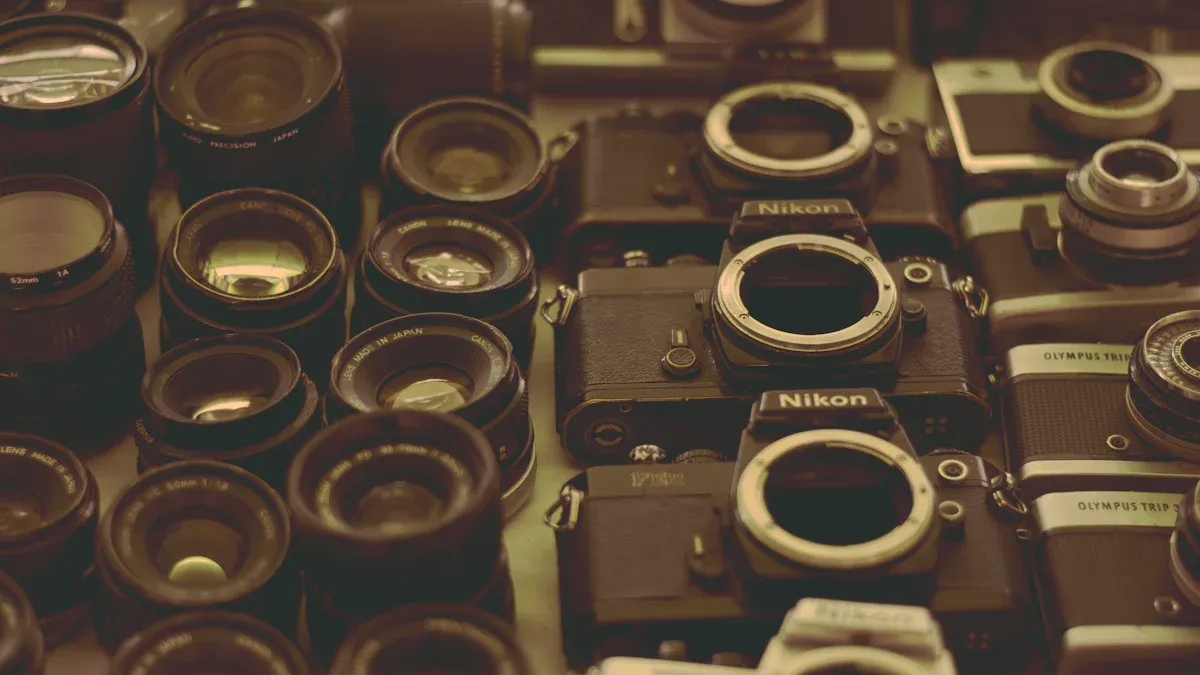
Image Source: pexels
The story of micro 4/3 lenses started with the Four Thirds system. Engineers wanted cameras that were small and easy to carry. They made a new lens mount and sensor size. This made cameras lighter and easier to move. Photographers could change lenses for different photos. Olympus and Panasonic were the first big companies to help. They brought out the first micro 4/3 lenses. These lenses let people take sharp photos without heavy gear.
Micro 4/3 lenses got popular very quickly. People liked how simple and easy they were to use. The system let you change lenses fast. Photographers could pick wide-angle, telephoto, or prime lenses. The start of micro 4/3 lenses was a big step in digital photography.
Engineers kept making micro 4/3 lenses better. They added new features and improved technology. The table below lists some important changes:
| Feature/Innovation | Description |
|---|---|
| 5-axis IBIS | In-body image stabilization keeps images sharp at slow shutter speeds. |
| Lens Design | Olympus and Panasonic/Leica lenses offer classic quality with modern sharpness. |
| Prime Lenses | Fixed focal lengths give faster apertures and better depth control. |
| Historical Influence | Zuiko lens designs use ideas from classic Leica optics for better bokeh. |
Micro 4/3 lenses got better with each new version. Autofocus got faster and more exact. Weather sealing kept dust and rain out of lenses. These updates made micro 4/3 lenses good for outdoor use. Photographers could trust their gear in many places.
The small size of micro 4/3 lenses made them a favorite. Olympus made high-quality lenses that were easy to carry. Panasonic and Leica worked together to make sharp and strong lenses. As mirrorless cameras got more popular, more people wanted micro 4/3 lenses. Users liked having choices and good performance.
Many micro 4/3 lenses have changed the camera world. Olympus made the M.Zuiko Digital ED 12-40mm f/2.8 PRO lens. This lens was loved for its sharp photos and fast aperture. Panasonic made the Lumix G 20mm f/1.7 lens. People liked its small size and bright pictures.
Prime lenses like the Olympus 45mm f/1.8 gave better control over depth of field. Telephoto lenses like the Panasonic 100-300mm helped take pictures of faraway things. Each new lens gave photographers more ways to take photos.
Tip: Many photographers pick micro 4/3 lenses for travel and street photos. The small size and light weight make them easy to carry all day.
Micro 4/3 lenses keep getting better. Companies bring out new models with more features. The history of micro 4/3 lenses is full of new ideas and growth.
The micro 4/3 lens market has many choices for photographers. Panasonic is a top company with its Lumix G series. Panasonic makes lenses for all kinds of photography. Panasonic has wide-angle, telephoto, and macro lenses. Panasonic also makes zoom lenses for travel and street photos. Panasonic designs lenses that are small and light. This helps photographers carry their gear with ease. Panasonic works with Leica to make high-quality lenses. Together, they create lenses that give sharp images. Panasonic lenses fit many micro 4/3 camera bodies.
Olympus is also a leader in micro 4/3 lenses. Olympus makes the M.Zuiko lens line. Olympus lenses focus fast and give clear pictures. Olympus and Panasonic both support the micro 4/3 system. They give photographers many creative choices. Panasonic keeps making new lenses every year.
Modern micro 4/3 lenses have many cool features. Panasonic adds special photography tools to its lenses. Panasonic uses ProCapture mode to catch quick moments. Panasonic lenses have great image stabilization. This keeps pictures steady in hard conditions. Panasonic lenses are small and light. Photographers can use them for a long time. Panasonic makes sure every lens gives sharp photos. Panasonic lenses work with many camera bodies.
| Feature | Benefit |
|---|---|
| Compactness | Photographers can carry gear easily and move more. |
| Lightweight Design | Makes long photo shoots less tiring. |
| High Image Quality | Gives sharp and clear pictures. |
| Advanced Computational Photography | ProCapture mode helps catch fast moments. |
| Versatility | Works with many lenses from different brands. |
| Excellent Image Stabilization | Keeps photos and videos steady. |
Panasonic and Olympus both work on new ideas. Panasonic leads in adding new technology to lenses. Panasonic gives photographers the best tools for every job.
Band-optics brings very precise optics to micro 4/3 cameras. Band-optics makes high-quality spherical lenses for special uses. Band-optics uses top materials like Schott and Hoya glass. Band-optics also has infrared materials for special needs. Band-optics designs lenses for lasers, space, and science. Band-optics gives custom solutions for special camera systems.
Band-optics lenses are known for being accurate and reliable. Band-optics uses strict checks to make sure lenses work well. Band-optics offers many sizes and coatings. Band-optics helps make new camera designs quickly. Band-optics lenses help micro 4/3 cameras take better pictures. Band-optics works with companies that need very exact optical parts.
Note: Band-optics keeps working on new research and development. Band-optics wants to make the best optical solutions for future micro 4/3 cameras.
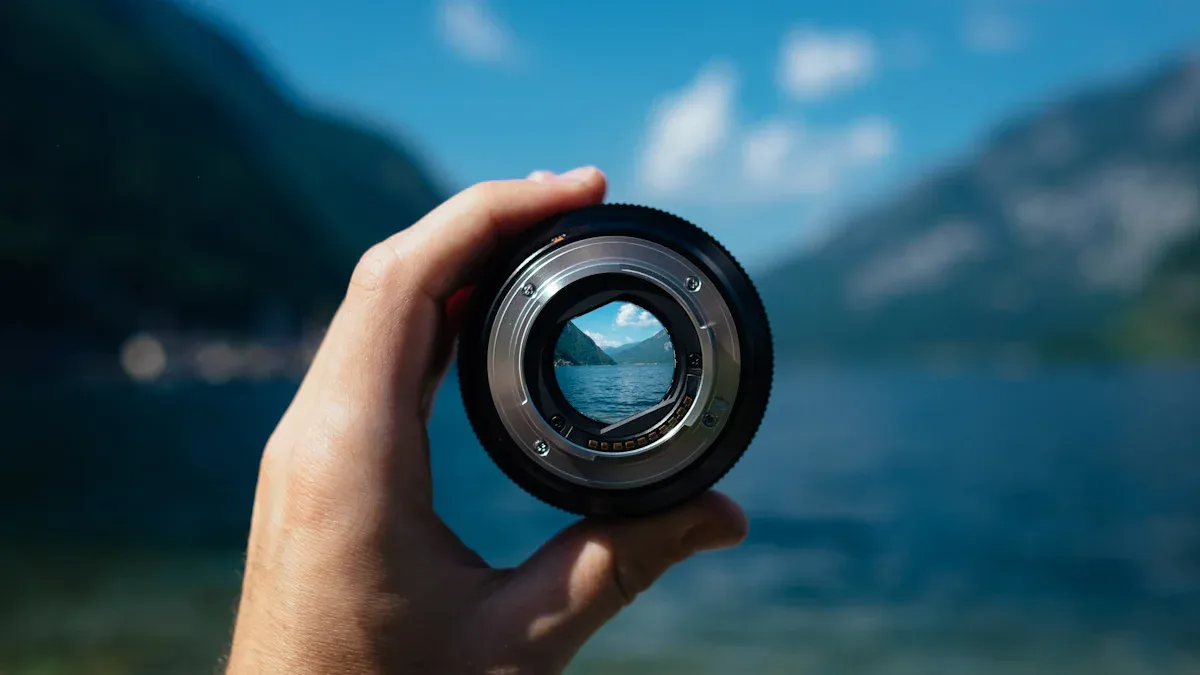
Image Source: unsplash
Engineers and designers keep making mft lens technology better. They work on faster autofocus and smaller lens designs. Olympus and Panasonic show these new ideas in their latest lenses. The table below lists some new features in mft lenses:
| Lens Model | Autofocus System | Optical Features | Build Quality and Usability |
|---|---|---|---|
| Panasonic f/1.4 | Updated drive system | Aspherical elements, Nano Surface Coating for less ghosting and flare | Weather-sealed, strong metal finish, good for many conditions |
| OM System M.Zuiko Digital ED 40-150mm f/4 Pro | High-speed AF system | Special elements to fix color problems, sharp images | Constant f/4 aperture, tough build, works for many subjects |
| Olympus 12-100mm f/4 Pro | High-speed MSC autofocus | Built-in image stabilization, easy to handle | Weather-sealed, sturdy build, good for low light handheld photos |
These lenses use smart autofocus to help take sharp photos fast. New lens designs and coatings make pictures look better. Strong bodies and weather seals help lenses last in tough places. The mft system gets better with these changes, giving more choices for creative photos.
Band-optics helps with these new ideas too. The company works on research to make very exact spherical lenses. These lenses help mft cameras get better picture quality and dynamic range. Band-optics uses special materials and careful checks to meet needs in medical, space, and laser fields. Their new ideas help mft lens technology grow.
Mft lenses will keep getting smaller and easier to use. Many photographers want gear that helps them tell real stories. They like cameras that are fun and quick to use. Olympus and Panasonic listen and make products that fit these wishes.
People want cameras that are easy and real. Micro Four Thirds systems are made to be small and simple. They help users take true photos in a world with lots of AI pictures.
MFT cameras are small, light, and not expensive. They are great for daily use and for catching real moments.
Panasonic and OM System should make small, fun cameras. Fast start times and easy controls will make fans happy.
Photographers want lenses with high dynamic range and sharp images. They also want fast autofocus and good results in any light. The mft system is good at meeting these needs. Olympus makes lenses that are easy to carry and work well. Panasonic adds new features to make cameras more fun.
Companies have plans for new mft lenses. They work on new lens designs and listen to what photographers want. Wildlife photographers ask for lighter long lenses. Landscape photographers want small lenses with wide views. Companies also try to make stabilization better and improve lens features.
Companies are making new lens designs and listening to users.
Wildlife photographers want lighter long lenses. Landscape photographers want smaller wide lenses.
There is a focus on better stabilization and improving lens features.
Olympus and Panasonic will release new lenses with better dynamic range and image quality. They work on faster autofocus and smarter lens coatings. Band-optics helps by making custom spherical lenses that meet strict rules. Their lenses help mft cameras do well in hard places.
The table below shows some problems the industry faces:
| Challenge | Description |
|---|---|
| Importance of new sensor technology | New OM and G cameras need better sensors to stay popular. |
| Appeal to younger photographers | Design matters more now for younger photographers than just specs. |
| Launching innovative models | New and exciting models are needed to keep Micro Four Thirds important against bigger cameras. |
Companies must keep up with new trends and what users want. They need to make products for both new and expert photographers. The mft system will keep changing, with better dynamic range, faster autofocus, and sharper images. Band-optics will keep helping with new and exact lens solutions.
Micro Four Thirds lenses have changed how people use cameras. The system started simple but now has advanced features. New models are easier to carry and use in many ways. Photographers use computers to try new photo tricks.
These lenses are easy to carry and let you be creative.
The system helps people take photos outside.
| Contribution | Impact |
|---|---|
| Band-optics is best at making micro prism lenses | AI helps make lenses better and checks quality |
| Research and development | Brings new lens technology |
| Aberration correction | Makes pictures look clearer |
New ideas will keep making the system better. Readers should look for news about micro four thirds technology.
Micro 4/3 lenses have a smaller sensor. This makes cameras and lenses lighter. Photographers can carry their gear easily. They can switch lenses for different photos.
Band-optics makes custom spherical lenses. They use many materials and coatings. Customers can pick sizes and designs they need. The company helps with special camera systems.
Many industries use band-optics spherical lenses. These include laser technology, aerospace, medical, and biotechnology. The lenses help focus light well and work reliably.
Micro 4/3 lenses are small and light. Travelers can pack them easily. The lenses work well for street and landscape photos. Photographers can change lenses quickly.
Band-optics uses strict quality checks. They test each lens for surface quality and accuracy. Advanced tools help make sure every lens meets high standards.


