
close
Choose Your Site
Global
Social Media
Views: 0 Author: Site Editor Publish Time: 2025-11-24 Origin: Site
Are you searching for the best mft lenses for 2025? Here is a complete list: OM-System 90mm f/3.5 2x Macro, Leica DG Summilux 12mm f/1.4, Panasonic Lumix G 25mm f/1.7, Panasonic Lumix G Leica DG Nocticron 42.5mm F1.2, Olympus M.Zuiko ED 17mm f1.2 PRO, Panasonic 12-35mm f/2.8, Olympus 300mm f4 Pro, Lumix Leica 35-100mm f2.8, Olympus 12-45mm f4 Pro, Lumix 10-25mm f1.7, Sigma 18-35mm f/1.8 (with speed booster), Olympus M.Zuiko 45mm f/1.8, Panasonic Lumix G 20mm f/1.7 II ASPH, Olympus M.Zuiko Digital ED 60mm f/2.8 Macro, and Panasonic Lumix G Vario 100-300mm f/4-5.6 II. Each lens works well and gives good results. They are useful and worth the money. These lenses are great picks for the micro four thirds system. They fit many photography styles in the micro four thirds system.
Pick lenses that fit how you like to take photos. Use wide-angle lenses for landscape photos. Use lenses with wide apertures for portrait photos. These give soft backgrounds. Think about lens weight and size if you travel. Light lenses like the Panasonic Lumix G 20mm f/1.7 are easy to bring. They work well for daily photos. Find lenses with fast autofocus and stabilization. These help make your pictures look better. They also help you shoot in different places. Make sure the lens fits your camera mount before you buy it. Not every lens works with every micro four thirds camera. Always check if they match. Try to balance your budget and lens performance. Some cheaper lenses still give good quality. More expensive lenses are sharper and stronger.
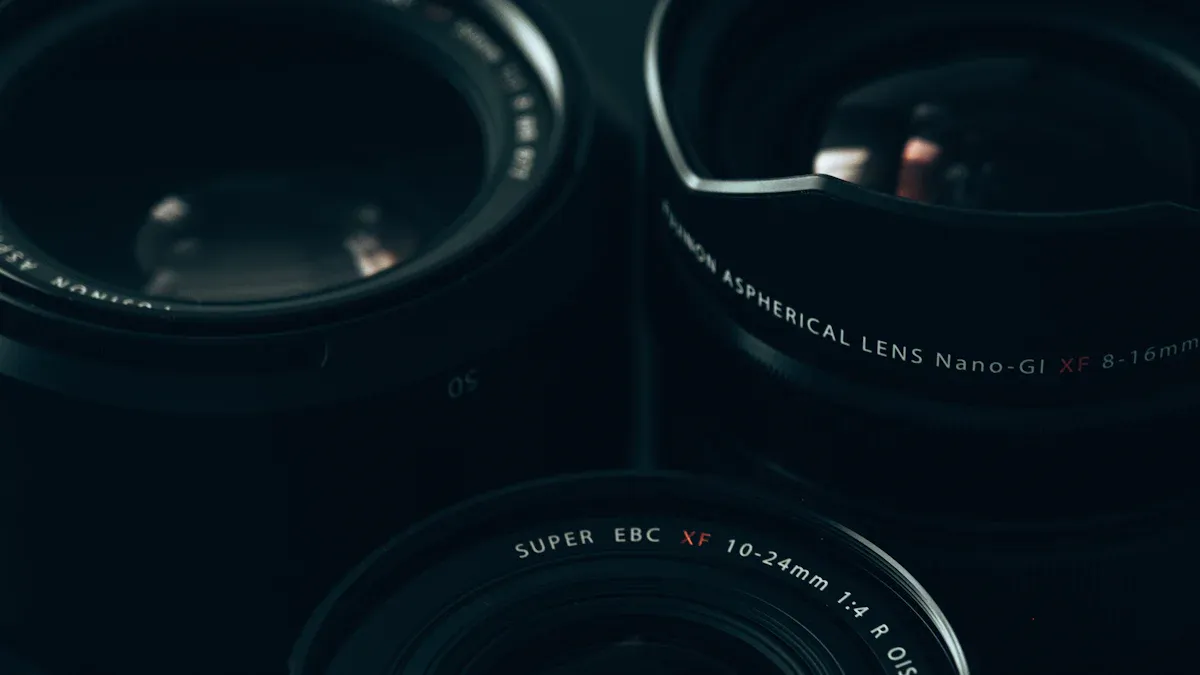
Image Source: pexels
Here are the best lenses for the micro four thirds system in 2025. This list covers a mix of prime and zoom options. Each lens brings something special for different photography styles.
Photographers who love close-up shots choose this lens for its sharpness and true macro abilities. The 2x magnification lets them capture tiny details. The lens feels solid and works well for insects, flowers, and product shots. Many users say it is one of the top mft lenses for macro work.
This lens gives wide views and bright images. It works great for landscapes, city scenes, and architecture. The fast f/1.4 aperture helps in low light. People who want a wide-angle zoom lens often pick this for its clarity and color.
This lens is light and affordable. It suits beginners and those who want a simple prime for everyday use. The 25mm focal length fits portraits, street shots, and travel. Many call it a smart choice among mft lenses.
Portrait photographers love this lens. The wide f/1.2 aperture creates soft backgrounds and sharp subjects. It feels premium and delivers great results. Many say it stands out in the micro four thirds system for portraits.
This lens offers a fast aperture and pro-level build. It works well for street, documentary, and travel shots. The 17mm focal length gives a natural look. Many users trust it for sharpness and speed.
This standard zoom lens covers wide to short telephoto. It suits events, travel, and video. The constant f/2.8 aperture helps in many lighting conditions. People who want flexibility often choose this lens for their mft lenses kit.
Wildlife and sports shooters pick this lens for its reach. The 300mm focal length brings distant subjects close. The lens feels tough and resists weather. Many say it is a top choice for outdoor work in the micro four thirds system.
This lens gives users a wide-angle zoom lens and a short telephoto in one. The constant f/2.8 aperture helps in low light. It suits portraits, events, and travel. Many photographers call it one of the best mft lenses for versatility. The lumix leica 35-100mm f2.8 also works well for video.
This standard zoom lens is compact and sharp. It covers wide to short telephoto. The lens suits landscapes, street, and travel. Many users like its lightweight design and pro build.
This lens offers a wide zoom range and a bright f/1.7 aperture. It works well for video, landscapes, and creative shots. The lens feels solid and gives smooth focus. Many users say it is a top pick for mft lenses in video work.
This lens, paired with a speed booster, gives fast aperture and sharp images. It suits video, portraits, and creative work. The lens offers flexibility and strong performance. Many users like it for its unique look on the micro four thirds system.
This lens is small and sharp. It fits portraits, street, and travel. The fast f/1.8 aperture helps in low light. Many users say it is a must-have among mft lenses for beginners.
This compact prime lens is easy to carry. It suits street, travel, and everyday shots. The fast f/1.7 aperture helps in dim light. Many users like its size and image quality.
Macro fans pick this lens for its sharpness and close focus. It works well for nature, products, and detail shots. The lens is light and easy to use. Many say it is a top macro choice for the micro four thirds system.
Wildlife and sports shooters use this lens for its long reach. The lens covers a wide zoom range. It suits outdoor work and fast action. Many users say it is one of the best mft lenses for capturing distant subjects. The lumix leica 35-100mm f2.8 also pairs well for those who want more options.
Tip: When choosing mft lenses, think about your main photography style. Pick a wide-angle zoom lens for landscapes or a standard zoom lens for travel and events.
Here is a quick table that shows the main specs for each lens. You can see the focal length, aperture, weight, and price range. This helps users compare options fast.
| Lens Name | Focal Length | Max Aperture | Weight (g) | Price Range ($) |
|---|---|---|---|---|
| OM-System 90mm f/3.5 2x Macro | 90mm | f/3.5 | 453 | 1100-1300 |
| Leica DG Summilux 12mm f/1.4 | 12mm | f/1.4 | 335 | 1200-1400 |
| Panasonic Lumix G 25mm f/1.7 | 25mm | f/1.7 | 125 | 150-250 |
| Panasonic Lumix G Leica DG Nocticron 42.5mm F1.2 | 42.5mm | f/1.2 | 425 | 1300-1500 |
| Olympus M.Zuiko ED 17mm f1.2 PRO | 17mm | f/1.2 | 390 | 1200-1400 |
| Panasonic 12-35mm f/2.8 | 12-35mm | f/2.8 | 305 | 800-900 |
| Olympus 300mm f4 Pro | 300mm | f/4 | 1270 | 2500-2700 |
| Lumix Leica 35-100mm f2.8 | 35-100mm | f/2.8 | 357 | 1100-1300 |
| Olympus 12-45mm f4 Pro | 12-45mm | f/4 | 254 | 650-750 |
| Lumix 10-25mm f1.7 | 10-25mm | f/1.7 | 690 | 1700-1900 |
| Sigma 18-35mm f/1.8 (with speed booster) | 18-35mm | f/1.8 | 810 | 700-900 |
| Olympus M.Zuiko 45mm f/1.8 | 45mm | f/1.8 | 116 | 300-400 |
| Panasonic Lumix G 20mm f/1.7 II ASPH | 20mm | f/1.7 | 87 | 250-350 |
| Olympus M.Zuiko Digital ED 60mm f/2.8 Macro | 60mm | f/2.8 | 185 | 400-500 |
| Panasonic Lumix G Vario 100-300mm f/4-5.6 II | 100-300mm | f/4-5.6 | 520 | 650-750 |
Tip: Prices can change. Check for deals before buying.
Each lens fits a different style or need. Here are the top uses for each lens in the micro four thirds system:
OM-System 90mm f/3.5 2x Macro: Macro, insects, flowers, product shots.
Leica DG Summilux 12mm f/1.4: Landscapes, architecture, city scenes.
Panasonic Lumix G 25mm f/1.7: Everyday, street, travel, portraits.
Panasonic Lumix G Leica DG Nocticron 42.5mm F1.2: Portraits, low light, creative blur.
Olympus M.Zuiko ED 17mm f1.2 PRO: Street, documentary, travel.
Panasonic 12-35mm f/2.8: Events, travel, video, all-around.
Olympus 300mm f4 Pro: Wildlife, sports, birds. Many users like its sharpness and weather sealing.
Lumix Leica 35-100mm f2.8: Portraits, events, travel, video.
Olympus 12-45mm f4 Pro: Landscapes, street, travel.
Lumix 10-25mm f1.7: Video, creative, landscapes.
Sigma 18-35mm f/1.8 (with speed booster): Video, portraits, creative work.
Olympus M.Zuiko 45mm f/1.8: Portraits, street, travel.
Panasonic Lumix G 20mm f/1.7 II ASPH: Street, travel, everyday.
Olympus M.Zuiko Digital ED 60mm f/2.8 Macro: Macro, nature, products.
Panasonic Lumix G Vario 100-300mm f/4-5.6 II: Wildlife, sports, outdoor action.
Other lenses for wildlife include Olympus 40-150mm f/2.8 PRO, Panasonic Leica DG Vario-Elmarit 50-200mm f/2.8-4.0 ASPH Power OIS, and Panasonic MFT 200mm f/2.8 Power OIS Leica DG Elmarit. These lenses offer sharp images and long reach.
Note: Pick a lens that matches your favorite style. Wildlife shooters need long zooms. Macro fans want true macro lenses.
Many photographers pick the OM-System 90mm f/3.5 2x Macro for close-up shots. This lens can do 4x macro and has autofocus. It gives up to seven stops of stabilization, so pictures stay sharp. Focus stacking helps show tiny details clearly. The lens is weather-sealed with an IP53 rating, so it is safe outside. People like the color and bokeh it gives. The price is high, but the lens works very well.
Gets 4x macro with autofocus
Seven stops of stabilization
Focus stacking for sharp close-ups
Weather-sealed (IP53)
Great image quality and bokeh
The Leica DG Summilux 12mm f/1.4 is a top pick for wide shots. Landscape and city photographers like this lens. It is the only extra wide-angle prime lens with a big f/1.4 aperture in this system. The fast aperture lets you shoot in low light and get sharp photos. The lens gives bright colors and clear images. It costs more than other zooms, but it is worth it.
Extra wide-angle prime lens
Fast f/1.4 aperture for low light
Sharp image quality
Good for landscapes and buildings
The Panasonic Lumix G 25mm f/1.7 is a good lens for beginners. It is a standard prime lens that is not heavy. The lens is easy to carry and costs less. Autofocus is quick, and it takes nice portraits, street, and travel photos. Some want more blur in the background, but it is still a smart choice.
Standard prime lens
Light and affordable
Fast autofocus
Good for portraits
Portrait photographers really like the Nocticron 42.5mm F1.2. It is sharp and makes soft backgrounds. The lens works well at wide apertures for creative blur. Autofocus is fast, and it has optical stabilization. The price is high, but the lens is great for serious portraits.
Very sharp and nice bokeh
Fast autofocus and stabilization
Premium build and image quality
Best for creative portraits
The Olympus M.Zuiko ED 17mm f1.2 PRO is made for pros. It gives sharp photos and has fast, quiet autofocus. The bright f/1.2 aperture helps in low light. The lens makes smooth bokeh and is weather-sealed for outdoor use. The price matches its pro features.
Sharp image quality
Fast, quiet autofocus
Weather-sealed for outdoors
Good for street and portraits
The Panasonic 12-35mm f/2.8 is a zoom lens for events and streaming. Its f/2.8 aperture stays the same when you zoom. The lens is small and covers a useful range. Optical stabilization helps with handheld video. Some say the focus ring could feel better, but it is still great for weddings and live events.
Small and useful
Optical stabilization
Good for video
The olympus 300mm f4 pro lens is great for wildlife and sports. It is a telephoto prime lens with a 600mm reach. The lens is small enough to carry and gives sharp photos. It is perfect for outdoor action and bird pictures.
Telephoto prime lens with 600mm reach
Small for travel
Sharp image quality
Good for wildlife and sports
The Lumix Leica 35-100mm f2.8 is a zoom lens for many uses. It is good for portraits, events, and travel. The f/2.8 aperture helps in low light. The lens is light and gives sharp photos. Many use it for both photos and video. The price is fair for what it does.
Telephoto zoom lens
Constant f/2.8 aperture
Light and sharp
Good for events and travel
The Olympus 12-45mm f4 Pro is a small zoom lens for street and landscape photos. It covers wide to short telephoto shots. The lens is light, weather-sealed, and gives sharp photos. People like how easy it is to carry. The price is good for the features.
Small and weather-sealed
Sharp image quality
Wide to short telephoto range
Good for travel and street
Video makers often use the Lumix 10-25mm f1.7 and Sigma 18-35mm f/1.8. Both lenses have fast apertures and smooth focus. The Lumix is good for wide shots, and the Sigma is flexible. Both give high image quality. These lenses are great for creative video and low-light scenes.
Fast apertures for video
Smooth focus
High image quality
Flexible for creative shots
The Panasonic Lumix G 20mm f/1.7 II ASPH is a small prime lens for daily use. It is good for street, travel, and casual photos. The lens is easy to carry and gives nice photos. Autofocus is quick, and the price is fair.
Small and light
Good image quality
Fast autofocus
Good for travel and street
Macro fans like the Olympus M.Zuiko Digital ED 60mm f/2.8 Macro. It is sharp and can focus very close. The lens is light and simple to use. It is good for nature and product photos. The price is low, so it is great for starting macro work.
True macro lens
Sharp image quality
Light and affordable
Good for nature and products
Wildlife shooters use the Panasonic Lumix G Vario 100-300mm f/4-5.6 II. This zoom lens can reach far for action and distant subjects. The lens gives solid photos and is easy to carry. The price is fair for the zoom range.
Telephoto zoom lens
Long reach for wildlife
Solid image quality
Good value for outdoor action
Many photographers want a lens for portraits. They like soft backgrounds and sharp subjects. The Panasonic Leica 42.5mm F1.2 is known for beautiful bokeh and clear details. The Olympus M.Zuiko Digital 45mm f/1.8 also gives great results. Its fast f/1.8 aperture helps separate the subject from the background. The Olympus M.Zuiko ED 40-150mm f/2.8 PRO is flexible for different portrait styles. It works for close-ups and full-body shots. People often pick one of these three for portraits. The Panasonic Leica 42.5mm F1.2 is the best choice for top quality.
Tip: Try different focal lengths to see what fits your style.
Landscape photographers want wide views and sharp images. The Leica DG Summilux 12mm f/1.4 has a bright aperture and clear pictures. The Olympus 12-45mm f4 Pro is another favorite. It gives a wide-to-short telephoto range in a small lens. Both lenses help capture big scenes and tiny details. Many users say these lenses make landscapes look colorful and sharp.
Travelers need light and useful lenses. The Panasonic Lumix G Vario 12-35mm f/2.8 works for many places. It is good for city streets and mountain views. The Olympus M.Zuiko ED 12-40mm f/2.8 PRO is also a strong choice. It is a walkaround zoom with good low-light performance. The Panasonic Lumix G 20mm f/1.7 fits in a pocket and works well in evening light. People who travel with micro four thirds often pack one of these lenses.
Note: A zoom lens helps you cover more places and keeps your bag light.
Video creators want smooth focus and bright images. The Lumix 10-25mm f1.7 has a wide zoom range and fast aperture. It is perfect for creative shots. The Sigma 18-35mm f/1.8 (with speed booster) is flexible and gives sharp video. Both lenses work well for interviews, vlogs, and movie scenes. Many users say these lenses help them make professional-looking videos.
Macro fans love taking pictures of tiny things. The OM-System 90mm f/3.5 2x Macro is great for true macro shots and sharpness. The Olympus M.Zuiko Digital ED 60mm f/2.8 Macro is lighter and costs less. Both lenses let photographers explore insects, flowers, and small products up close.
Wildlife shooters need lenses with long reach and fast focus. The Olympus 300mm f4 Pro brings faraway animals close and keeps pictures sharp. The Panasonic Lumix G Vario 100-300mm f/4-5.6 II has a wide zoom range for birds and outdoor action. These lenses help capture wildlife moments without missing a shot.
Tip: Use a telephoto lens to take pictures of animals from far away.
Image Source: pexels
Picking the right lens for micro four thirds cameras can feel tricky. Users should always check if the lens fits their camera mount. Most lenses on this list work with all major micro four thirds cameras. People should also think about what they want to shoot. A wide lens helps with landscapes. A telephoto lens works better for sports or wildlife. Fast lenses with wide apertures let in more light and help in dark places.
Tip: Always check the lens mount before buying. Not all lenses fit every camera.
Everyone wants great image quality, but price matters too. Some lenses cost more because they offer sharper photos, better build, or faster focus. Budget lenses can still give good image quality for everyday shots. Users should decide what matters most. If someone shoots portraits, a lens with a wide aperture gives better background blur. For travel, a small and light lens makes carrying gear easier.
| Budget Lenses | Premium Lenses |
|---|---|
| Panasonic 25mm f/1.7 | Leica DG Summilux 12mm f/1.4 |
| Olympus 45mm f/1.8 | Nocticron 42.5mm f/1.2 |
| Lumix G 20mm f/1.7 II ASPH | Olympus 17mm f1.2 PRO |
People have different goals with their cameras. Here are some quick tips:
For portraits, pick a lens with a wide aperture for soft backgrounds.
For landscapes, choose a wide-angle lens for more of the scene.
For macro, look for a lens that can focus very close.
For video, use a lens with smooth and quiet autofocus.
For wildlife, a telephoto lens helps capture faraway subjects.
Note: Good image quality comes from both the lens and the camera. Users should match their lens choice to their favorite style and needs.
The top MFT lenses for 2025 stand out for sharp images, fast focus, and solid value. Many users love the Panasonic 12-35mm f/2.8 for its versatility and price. This lens fits travel, events, and daily shooting. Other lenses shine for portraits, macro, or wildlife. Each photographer should pick a lens that matches their style and budget.
Tip: Try one lens first. See how it fits your needs before adding more to your kit.
A lens with a wide aperture makes backgrounds look soft. It also keeps the person in the photo sharp. Lenses around 42.5mm or 45mm are often used for portraits. These lenses help faces pop out in pictures.
Yes, many micro four thirds lenses are good for video. Lenses with smooth autofocus and bright apertures make videos look clear. Some people like zoom lenses because they give more options.
Some lenses, like the Olympus PRO series, have weather-sealing. This keeps dust and rain out of the lens. Outdoor photographers like weather-sealed lenses for trips and nature photos.
Wildlife photographers often use telephoto lenses with long reach. The Olympus 300mm f4 Pro and Panasonic Lumix G Vario 100-300mm f/4-5.6 II are top picks. The olympus 40-150mm f2.8 is also good for animals and birds.
A speed booster lets Sigma lenses fit micro four thirds cameras. It makes the lens brighter and helps pictures look better. Many people use a speed booster with the Sigma 18-35mm f/1.8 for video and creative photos.


