close
Choose Your Site
Global
Social Media

Views: 0 Author: Site Editor Publish Time: 2025-12-26 Origin: Site


Photographers sometimes feel nervous about buying used photography lenses. They check for scratches on the glass. They look at the filter threads. They also look for dust or fungus inside. They test if autofocus and aperture work well. With expert tips, anyone can shop without worry. Band-optics is known for its precise optics. This makes picking a good lens easier.
Buying used photography lenses can help you save a lot of money. You can get better gear without spending too much.
Always look at the lens closely for scratches, mold, or problems. Checking well helps you avoid expensive problems later.
Pick sellers you can trust and who have good reviews. Find sellers with warranties and easy return rules to stay safe when buying.
Photographers want to save money when they buy gear. Buying used photography lenses helps them do this. Many used camera lenses still work well after years of use. Some people have saved more than $1,000 by picking used gear instead of new. Used lenses and accessories usually cost a lot less than new ones. This means photographers can try fancy models without spending too much.
Used gear can look and work like new.
People can save hundreds or thousands of dollars.
Photographers can get better equipment for less money.
Buying used lenses lets photographers upgrade their gear or try new things. They get more for their money and do not have to pay high prices for new items.
Buying used photography lenses is a good deal, but there are risks. Some lenses might have problems you cannot see right away. A lens could have been dropped, which can mess up how it works. Dirt inside the lens can be hard and expensive to clean. Autofocus motors can wear out and stop working. Some models may not be very good from the start. Newer versions might not cost much more.
Lenses might have damage you cannot see.
Dirt inside can mean expensive repairs.
Autofocus motors can break over time.
Some models may not be as good as you hope.
Checking the lens carefully helps buyers avoid these problems. Trusted brands like band-optics care about quality and make good lenses. This makes them a smart pick for people who want used lenses they can trust.
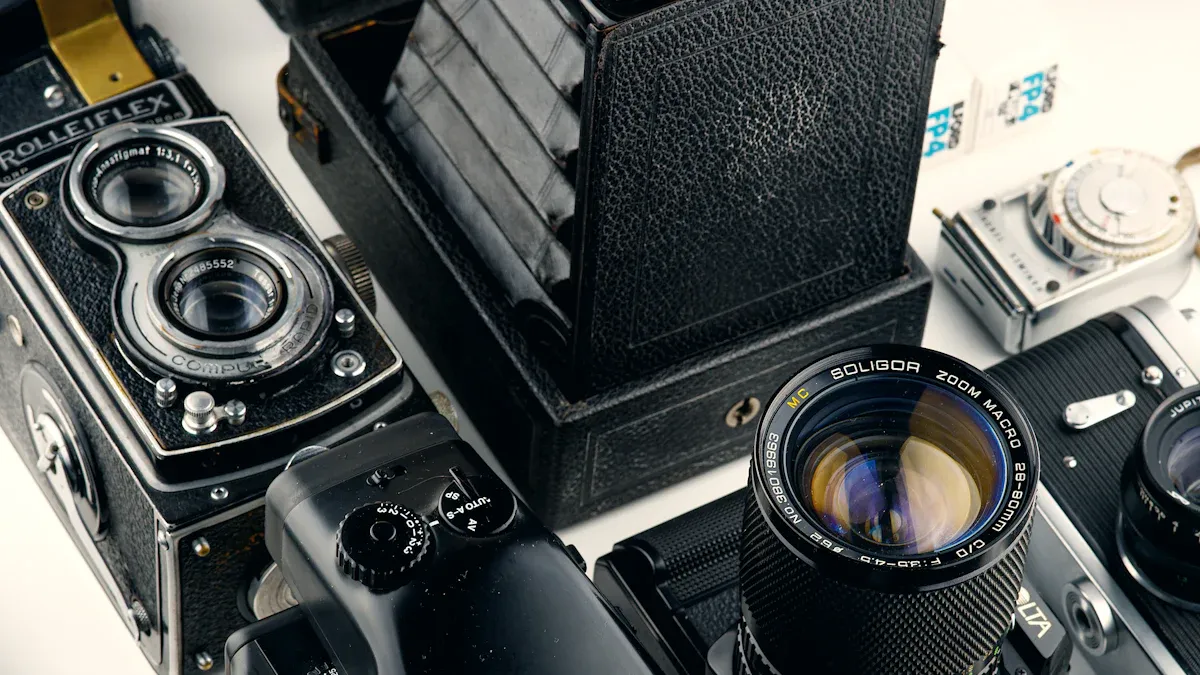
Image Source: pexels
It is important to find a place you can trust. Many people buy used camera lenses from local stores, online sites, or forums. These places are known for being fair and having clear rules. Stores that have been open for many years give good help and sometimes offer warranties. Some stores tell you how good the lens is by using a rating system. This helps buyers know what they are getting.
| Feature | Description |
|---|---|
| Customer Service | You get a great warranty and free shipping on most orders. |
| Experience | The store has been in business for over 60 years. |
| Rating Scale | Lenses are rated Mint, Excellent, Good, Fair, Poor, or Broken. |
| Warranty | There is at least a 180-day warranty. |
Experts say good sellers check their lenses and give advice. Some sellers give a warranty for up to two years. Buyers can ask questions and get honest answers. Band-optics spherical lenses are sold by trusted sellers, so buyers know they are getting something good.
Not all sellers tell the truth. Buyers need to watch out for warning signs. Some sellers want to talk outside the website. This can be dangerous and lead to scams. Others do not follow the rules or ask for more money than the price shown. Scammers sometimes make up sad stories to trick people into sending items. Expensive items can attract more scammers.
Sellers do not use the website to talk.
They offer more money than the price.
They tell sad stories to get items.
They do not follow the rules.
A good seller will keep everything safe and easy to understand. Buyers should always pay attention and ask questions before buying.
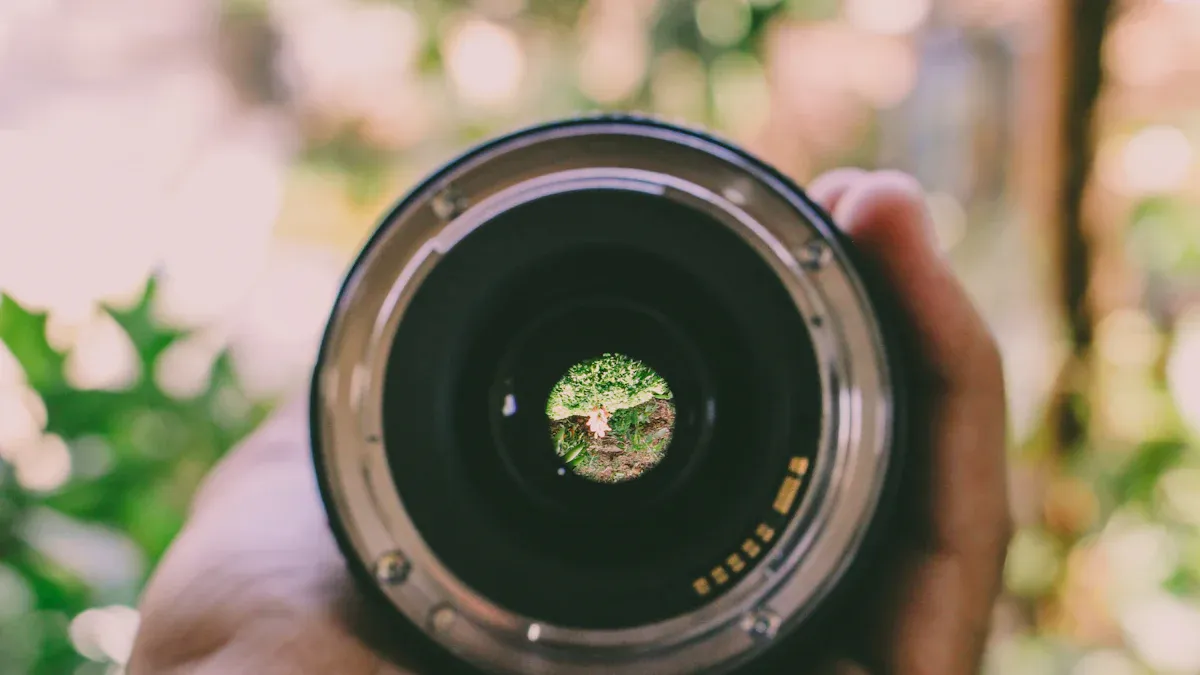
Image Source: pexels
Anyone who wants to get the most out of buying used photography lenses should start with a careful inspection. A lens might look perfect at first glance, but small problems can hide inside. Here’s a simple checklist to help spot issues before making a purchase:
Check the Glass
Hold the lens up to a bright light. Look for scratches, chips, or cracks on both the front and rear elements. Even tiny marks can affect image quality.
Inspect for Mold and Dust
Shine a flashlight through the lens. Watch for haze, fungus, or dust inside. Mold looks like tiny spider webs or dots. Too much dust can mean the lens needs cleaning or repair.
Test Autofocus and Aperture
Mount the lens on a camera body. Switch between autofocus and manual focus. Listen for strange noises or grinding. The focus ring should turn smoothly.
Tip: Investing in a lens calibration tool can help check focus accuracy. Even new lenses sometimes need adjustment. A calibration tool helps make sure every shot is sharp.
Here’s a quick way to test autofocus using a calibration tool:
| Step | Description |
|---|---|
| 1 | Set up the lens testing chart at a 45-degree angle to the lens. |
| 2 | Use the maximum aperture of the lens for minimum depth of field. |
| 3 | Select the center focus point and ensure it includes only the focus target line. |
| 4 | Take multiple shots, refocusing each time, and compare results. |
| 5 | If autofocus is inaccurate but manual focus is sharp, consider lens or camera adjustment. |
For aperture, set the lens to its smallest and largest settings. The blades should move quickly and evenly. Sticky or slow blades can mean trouble.
Look at the Lens Body
Check for dents, loose parts, or missing screws. The mount should not have deep scratches or signs of heavy wear.
Review the Coating
Some lenses have special coatings to reduce glare. Look for rainbow colors or spots that show the coating is worn.
A careful check helps buyers avoid surprises. High-quality lenses, like those from band-optics, pass strict tests for clarity and durability. Their spherical lenses, made with advanced technology, set a good example of what to look for in used gear.
A lens must work well with the camera system. Mechanics matter as much as the glass. Buyers should twist the focus and zoom rings. These should move smoothly without sticking or grinding. The aperture ring, if present, should click into place.
Compatibility can be tricky. Not every lens fits every camera. Here are some common issues:
Different lens mounts, such as Canon EF, Nikon F, or Sony E, may not match the camera.
Electronic parts inside the lens may not work with all brands.
Adapters can help, but they sometimes slow down autofocus or lower image quality.
Note: Always check the lens mount and camera model before buying used lenses. If unsure, ask the seller or look up the lens online.
A good fit means the lens will focus fast and take sharp photos. Buyers who want the best results should look for lenses known for precision. Band-optics spherical lenses, for example, use top materials and strict quality checks. These lenses show what reliable optics should offer—clear images, smooth mechanics, and strong builds.
When people buy used lenses, they should remember that careful checks and smart questions lead to better photos and fewer problems.
Smart buyers ask questions before buying used photography lenses. They want to know if the lens is real and how it was used. These questions help people learn about the lens:
Was the lens ever dropped or treated badly?
Does the image stabilization system work right?
How does the lens look for its age?
Are there signs of rough use, like broken filter threads?
Does the focus ring turn without problems?
Does the zoom ring move smoothly?
Is the serial number on the lens the same as the box?
Do the manuals and papers look real and are they in English?
Is the price much lower than normal? That could be a warning.
Is the seller an official dealer?
These questions help people stay away from fake or gray market items. Buyers should always check that the serial numbers and papers match.
A good warranty and return policy helps buyers feel safe. Trusted sellers have clear rules. Here is what buyers should look for:
| Policy Type | Details |
|---|---|
| Return Period | Most items can be returned in 14 days. Holiday gifts can be returned until January 10th. |
| Warranty Coverage | Items in 'Fair' shape or better get 180 days. Some autofocus lenses get 1 year. |
| Return Conditions | Items must be like new with all parts. There might be a restocking fee. |
| Special Conditions | No returns on 'As Is' items, drones, or some things unless they are broken. |
Buyers should ask for proof of purchase and warranty details. When buying used lenses, people should know the return time and special rules. This makes buying used lenses safer and easier.
Many people get excited about a good deal and forget to check important details. They might skip a careful inspection or trust a seller without checking their background. Some buyers ignore warning signs, like a price that seems too low or a seller who wants to talk outside the website. Others forget to test the lens on a camera or look for fungus inside. These mistakes can lead to disappointment or even losing money.
Common mistakes include:
Not checking the lens for scratches, dents, or mold.
Forgetting to test autofocus and aperture.
Ignoring the seller’s reputation or feedback.
Using unsafe payment methods.
Rushing the purchase without asking questions.
Tip: Take your time and never feel pressured to buy right away. A careful check now saves trouble later.
Smart buyers use a few simple steps to stay safe when buying used lenses. Experts suggest meeting the seller in person if possible. This way, the buyer can see and touch the lens before paying. They should look for dings, scratches, and check the lens elements and mount. Testing the lens on a camera and taking photos at different settings helps spot problems. Reviewing these photos on a laptop shows if the lens works well.
When shopping online, buyers should:
Research the seller’s background and read reviews.
Ask for proof of ownership to avoid stolen items.
Use secure payment methods that offer buyer protection.
Document the transaction with photos or videos.
Watch out for scams and double-check everything before paying.
Searching the seller’s username online can reveal more about their trustworthiness. If nothing comes up, it’s smart to be extra careful. Following these steps makes buying used lenses safer and more enjoyable.
Getting a good price for a used lens needs some research and kindness. Buyers look at the brand, how the lens looks, and if it is rare. Some brands, like Agfa or Alpa Reflex, are well-known. These brands usually cost more because people trust them. Lenses that look almost new or were fixed recently also cost more money. If a lens is rare or not made anymore, collectors want it. This makes the price go up. Popular lenses can get pricey when lots of people want them, especially since film cameras are popular again.
| Factor | Impact |
|---|---|
| Brand Reputation | Trusted brands bring higher value. |
| Condition | Well-kept lenses or those recently serviced cost more. |
| Rarity | Limited or discontinued models attract collectors and raise prices. |
| Market Demand | Popular models increase in value as more people want them. |
Buyers should look at prices on many websites and compare them. If a seller wants much more than others, buyers can show other deals. Being polite helps more than making a very low offer.
Before buying, checking the lens one last time can stop problems. Sometimes, a lens looks great but has hidden issues. For example:
A lens worked well at first but later had a bent focusing cam after more tests.
Another lens passed the first test but then had trouble with autofocus.
Buyers should try the lens on their own camera and use all the settings. They should listen for strange sounds. Checking again helps find problems that were missed before. This step makes sure the lens works right and is good for the buyer.
Buying used photography lenses is simple if you have a plan. Experts say you should do these things: First, learn what to look for in a lens. Next, buy only from sellers you can trust. Then, check the lens and see what shape it is in. Last, make sure the seller is honest and responsible. If you check carefully and pick good sellers, you will avoid problems. For the best quality, look at band-optics spherical lenses.
Buyers should bring their camera, a flashlight, and a lens cleaning cloth. These tools help them test the lens and spot any problems.
They can check the serial number, logo, and packaging. If something looks off, they should compare it with photos from the brand’s website.
The used lens market can be safe if buyers stick to trusted sellers, ask questions, and inspect the lens before paying.


