close
Choose Your Site
Global
Social Media

Views: 0 Author: Site Editor Publish Time: 2026-01-09 Origin: Site


Choosing the right VR lenses changes your virtual reality experience. You see clearer pictures and feel better when the lens fits you. The lens design affects how wide you can see. It also changes how real the world looks around you. Fresnel, aspheric, pancake, and hybrid lenses each have their own good points. Think about how much you use VR. Also, think if you need vision correction before you pick a lens.
Picking the right VR lenses helps you see better and feel more inside the game. - A wide field of view, at least 90 degrees, helps you feel like you are really there. - Comfort is very important; good lenses stop your eyes from hurting and let you play longer without feeling bad. - Think about what you need, like if you need glasses, when you pick VR lenses so they fit you well. - Custom lenses, like ones from band-optics, can be made just for you and help you see better and feel more comfortable.
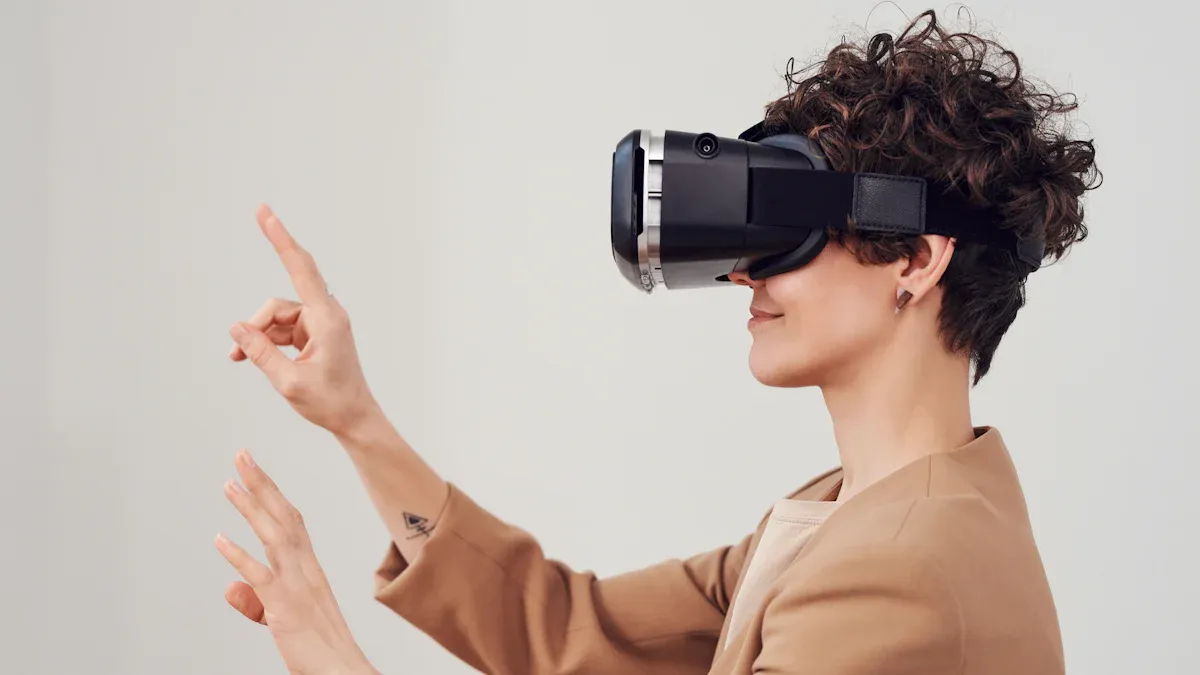
Image Source: pexels
When you put on a VR headset, the lenses do more than just help you see the screen. VR lenses transform the light from screens that sit very close to your eyes. This makes the image look clear and places it at a distance that feels natural. You get the illusion of depth, which is important for feeling like you are inside the virtual world. If the lenses are not high quality, you might see blurry images or strange colors. This can break your sense of immersion and make the experience less enjoyable. High-quality lenses, like those from band-optics, help you see sharp details and bright colors. They make the virtual world feel real and exciting.
Tip: Always check the clarity of the lenses before you buy a VR headset. Clear lenses help you enjoy games, videos, and learning apps much more.
The field of view is how much of the virtual world you can see at one time. A wide field of view makes you feel like you are really inside the scene. Most people find that a field of view of at least 90 degrees is needed for immersion. Many headsets offer a field of view of 120 degrees, which gives you a better sense of space. Some advanced systems reach up to 180 degrees, making you feel fully surrounded. If the field of view is too narrow, you might feel like you are looking through a tunnel. This can make it hard to move around or notice things at the edge of your vision. A wide field of view also helps with comfort and makes it easier to interact with objects in VR. Designers use the field of view to place menus and controls where you can see them easily. A good field of view can even help people with different vision needs enjoy VR more.
| Field of View (Degrees) | Experience Level |
|---|---|
| 90 | Basic Immersion |
| 120 | Partial Immersion |
| 180 | Full Immersion |
Comfort is just as important as image quality in VR. If you use VR for a long time, your eyes can get tired. This is called eye strain. VR headsets give off blue light, which can make your eyes feel dry or sore. Too much blue light can also affect your sleep. Some people get headaches or blurry vision after using VR for a while. The design of the lenses and the headset can help reduce these problems. Good lenses lower the risk of eye strain and make it easier to use VR for longer periods. Experts say that more research is needed to understand how VR affects your eyes over time. You should always take breaks and adjust the headset for the best fit. If you need vision correction, high-quality lenses from companies like band-optics can help you see clearly and stay comfortable.
Note: If you feel discomfort or eye strain, take a break and adjust your headset. Your eyes will thank you.
VR lenses play a key role in making your virtual reality experience clear, wide, and comfortable. Whether you need vision correction or not, lens quality matters. Companies like band-optics provide precision optical solutions to help you get the best results from your VR headset.
Image Source: unsplash
When you look at VR lenses, you find a few main types. Each type changes how you see and feel in VR. Picking the right lens helps you see clearly from edge to edge. It also gives you the best picture. Here are the most common lens designs in VR headsets.
The table below lists the main features and uses for each lens type.
| Lens Type | Defining Features | Use Cases |
|---|---|---|
| Fresnel | Lightweight, cost-effective, good performance balance. | Mainstream VR headsets. |
| Aspheric | Superior optical clarity, larger sweet spot, minimal distortion. | High-end optical equipment, consumer VR. |
| Pancake | Compact design, reduced tracking length, lightweight. | Sleek VR/AR headsets. |
| Hybrid Aspheric | Combines clarity of aspheric with Fresnel benefits, reduces god rays. | Modern VR headsets. |
| Metalenses | Ultra-thin, customizable, eliminates aberrations. | Future VR/AR applications. |
| Liquid Crystal | Dynamic focus adjustment, potential for vision correction. | Advanced VR systems. |
Fresnel lenses are found in many popular VR headsets. These lenses have rings that bend light. This makes them lighter and thinner than old-style lenses. You get a wide view without making the headset heavy. Fresnel lenses are not expensive and work well for most people. They are good for looking at things close up. But, sometimes the picture is not sharp at the edges. Some people see bright lines called "god rays." Even with these problems, Fresnel lenses are still used a lot. They keep headsets light and not too costly.
Aspheric lenses are known for being clear from edge to edge. The lens is curved in a special way. This shape helps stop blurry spots and strange colors. You see a bigger area where the picture is sharp. Aspheric lenses give you the clearest view. They are used in fancy VR headsets and other optical tools. If you want the best picture and less blur, choose aspheric lenses. Band-optics Spherical Lenses use these designs for great results. These lenses help you see well and enjoy VR more.
Pancake lenses make VR headsets smaller and lighter. They use a folded path for light. Light bounces inside the lens before it reaches your eyes. This saves space inside the headset. You get a headset that is easy to wear. Pancake lenses are used in new, slim VR and AR headsets. They let you see clearly in a small device. Sometimes, pancake lenses lose some light. This can make colors look less bright. Still, their thin shape is great for people who want a light headset.
Hybrid lenses mix the best parts of aspheric and Fresnel lenses. You get clear pictures and a light headset. This mix helps stop bright lines, like god rays. It also makes the picture clear from edge to edge. Hybrid lenses are in many new VR headsets. They are good for people who want comfort and clear vision. If you want a lens that does many things well, hybrid lenses are a good pick.
New lens types are changing how VR lenses work. Metalenses use tiny shapes to bend light. They are very thin and can be made for different needs. These lenses can stop blurry spots and give a clear view. Liquid crystal lenses can change focus quickly. This helps people who need vision correction. Other new ideas include micro-OLED screens with pancake lenses, better color, and eye-tracking for smart graphics. These new lenses try to give you a clear and real VR world.
The materials and design of the lens are important. Good materials, like those in band-optics Spherical Lenses, help stop blurry spots and make users happy. When you pick a lens, look for ones that give clear vision and feel good to wear.
How the headset looks also matters. You will like VR more if your headset looks nice and feels good.
Tests show that bad lens design can ruin your VR time. Always check for clear vision from edge to edge before you buy.
There are many VR lens choices. Each one has its own good points. If you learn about these types, you can pick the lens that works best for you and enjoy VR more.
Fresnel lenses are in lots of VR headsets. They have rings that make them light. You can wear them for a long time. Your head will not get tired. Fresnel lenses let you see a wide area. This helps you feel inside the game. Sometimes, you see bright lines called "god rays." These lines can bother you. Many cheap headsets use Fresnel lenses. They help keep the price low and the headset light.
Aspheric lenses show clear pictures from edge to edge. You see less blur and fewer weird colors. These lenses help you see more details. They also stop light from scattering. The view looks more real. Aspheric lenses can be heavier. But the clear image is worth it. Band-optics Spherical Lenses use special aspheric shapes. They give you sharp pictures and less distortion. If you want the best view, pick aspheric lenses.
Pancake lenses make headsets thin and light. You get a headset that feels good to wear. These lenses bend light inside to save space. Pancake lenses also stop bright lines. The picture looks clean. Sometimes, the screen looks less bright. These lenses let less light pass through. You may need a brighter screen. Pancake lenses are good for people who want a modern headset.
Hybrid lenses mix Fresnel and aspheric lens features. You get a light headset and clear images. There are fewer problems with glare. Hybrid lenses keep the picture sharp. Many new headsets use hybrid lenses. They balance comfort and quality. You can play for a long time. You will not feel tired or distracted.
New lens types like metalenses and liquid crystal lenses are coming. Metalenses are very thin and focus light well. Liquid crystal lenses change focus fast. This helps people who need vision correction. These new lenses will give better pictures and comfort soon.
Tip: When you pick VR lenses, think about what you want most. Do you want clear pictures, comfort, or a light headset? Band-optics Spherical Lenses can be made just for you.
| Lens Type | Benefits | Drawbacks |
|---|---|---|
| Fresnel | Light, wide view, low price | Can cause glare and "god rays" |
| Aspheric | Very clear, wide sharp area | Heavier, costs more |
| Pancake | Thin, light, no god rays | Less light gets through, needs bright screen |
| Hybrid | Good clarity and comfort | May not be best at one thing |
| New Tech | Very thin, quick focus, future-ready | Still new, not easy to find |
If you wear glasses or contacts, you might need VR prescription lenses. Most adults need help to see clearly. About 75% of people have vision problems that normal VR lenses cannot fix. If you have astigmatism, nearsightedness, or farsightedness, vr prescription lenses help you see better in VR. You will see sharper images and your eyes will not get as tired. Many people say VR prescription lenses make VR more fun and comfortable.
Standard VR lenses can make things look blurry if you need glasses.
Wearing glasses in a headset can hurt and feel tight.
Vr prescription lenses are made for your eyes.
Vr prescription lenses help you see clearly and feel good in VR. They match your eyes, so you do not need glasses under the headset. This helps stop headaches and eye strain. Most people with astigmatism say vr prescription lenses work better than regular lenses. You can see more and everything looks sharper.
| Feature | VR Prescription Lenses | Standard VR Lenses |
|---|---|---|
| Tailored Vision Correction | Yes, matches exact prescription | No, generic lenses |
| Astigmatism Accommodation | Yes, specifically designed for it | Often not accommodated |
| Clarity and Comfort | Enhanced, reduces eye strain and blurred vision | Limited, may cause discomfort |
| User Experience | Improved overall VR experience | May lead to visual issues |
Vr prescription lenses are made just for your eyes.
You will see less blur and can use VR longer.
Adjustable lens technology does not work well for most people.
You might wonder how vr prescription lenses work with vr glasses lenses. Wearing glasses in a VR headset can be a problem. Glasses can scratch the headset lenses. They can press on your face and let in extra light. This can make VR less fun and less comfy. Vr prescription lenses fix these problems by fitting right into the headset.
Vr prescription lenses mean you do not need vr glasses lenses.
You get a better fit and can see more around you.
Blue light protection in vr prescription lenses helps your eyes feel better.
You can play in VR longer without your eyes hurting.
Band-optics makes custom vr prescription lenses for your eyes. You can get lenses made for your own prescription. Band-optics uses special technology to make sure your lenses fit well and help you enjoy VR.
Tip: For the clearest and most comfy VR, pick vr prescription lenses made for you.
When you choose VR lenses, you need to think about how much you want to feel inside the virtual world and how comfortable you want to be. Some lenses give you a wide field of view, which makes you feel more immersed. Others focus on making the headset lighter and easier to wear. You should look for these features:
Wide field of view for a deeper sense of presence.
Balanced weight so your head and neck do not get tired.
Adjustable straps and soft padding for a better fit.
IPD (interpupillary distance) adjustment to match your eyes.
A headset that feels good lets you play longer and enjoy VR more.
Clear images make your VR time better. You want to see sharp details and bright colors. Good lens quality helps you avoid blurry spots and strange colors at the edges. Here are some things to check:
High resolution for crisp images.
High refresh rate for smooth movement and less motion sickness.
Lenses that keep the picture clear from edge to edge.
Band-optics Spherical Lenses stand out for their precision optics and wide material selection. You can get custom coatings and designs for your needs. The table below shows what makes these lenses special:
| Feature | Description |
|---|---|
| Precision Optics | Made with high accuracy for clear images and minimal distortion. |
| Wide Material Selection | Many materials to fit different uses and light types. |
| Customization | Special coatings and shapes for your unique needs. |
| Quality Control | Strict checks for reliable and consistent performance. |
You should also think about your budget and how easy it is to get the lenses you want. Some lenses cost more because they use better materials or special designs. Others are more affordable and still work well for most people. Consider these points:
Decide what features matter most to you.
Compare prices and read reviews.
Look for lenses that fit your headset and your needs.
Custom options, like those from band-optics, may cost more but can improve your user experience.
Take your time to compare your choices. The right VR lens helps you enjoy every moment in virtual reality.
First, think about how you use VR. Your habits help you pick the right lens. Some people play games a lot. Others use VR for art, fitness, or to hang out. You might watch movies or explore new places. Each thing you do needs different lens features.
| Criteria | Description |
|---|---|
| User Profile | Are you a gamer, artist, fitness fan, or casual viewer? |
| Visual Clarity | Look for high resolution and sharp images for deep immersion. |
| Key Features | Choose headsets with at least 100° field of view and 90Hz refresh rate. |
| Comfort | Pick a headset that feels good and fits well for long sessions. |
Check if you need vision correction. If you wear glasses, prescription VR lenses can help. These lenses help you see better and feel more comfy. Adjustable IPD lets you move the lens to match your eyes. This helps stop blurry spots and eye strain.
Tip: Write down what you do most in VR and what you care about. This list will help you choose the best lens.
Testing your VR lenses helps you get the best results. You want clear pictures and true colors. Try these steps to test and upgrade your lenses:
See if the image is sharp from edge to edge.
Look for weird colors or blurry spots.
Adjust the headset so it feels good.
Use tools to fix lens problems.
Try different lens shapes and materials for a better view.
Look for special coatings to fix color issues.
Upgrade to better screens for clearer images.
Use adjustable lenses to help your eyes during long use.
Keep your system updated for the best performance.
You can upgrade your lenses if you see problems. New lens designs can fix glare and make the headset lighter. You might need new lenses if your vision changes or you want better quality.
Note: Test and upgrade your lenses often. This helps you enjoy VR without feeling sick or uncomfortable.
Band-optics makes custom VR lenses just for you. You get lenses made for your needs. First, you talk to experts about how you use VR and what you want. Then, they use special software to design your lens. Skilled workers use machines to make your lens with care.
Band-optics checks every lens for quality and how well it works. You get lenses that meet high standards. After you get your lens, you can ask for help if you need it.
You tell the band-optics team what you need.
Experts design your lens and pick the best materials.
Workers make your lens with special machines.
Each lens is tested for quality and performance.
You get your lens and support after you buy it.
Band-optics cares about quality. Every lens is made to be clear and strong. You can trust your lens for games, fitness, art, or any VR activity.
Callout: Custom lenses from band-optics help you get the best from your VR headset. You get clear images, comfort, and great performance.
If you want a lens made just for you, try a custom solution. Band-optics uses new ideas and gives support to help you enjoy VR even more.
There are lots of VR lens choices. Each one has its own good points. The table below shows the main types:
| Lens Type | Benefits |
|---|---|
| Fresnel | Lightweight, affordable |
| Pancake | Slim, clear, easy to wear |
| Prescription | Custom fit, sharp vision |
Pick lenses that help you see your best. This will make your VR time better. You can try advanced lenses like band-optics Spherical Lenses for great results. Watch for new lens ideas and talk to experts if you need help. This will keep your VR clear and comfy.
You find VR lenses made from special optical glass or plastic. High-quality lenses use materials like Schott or Corning glass. These materials help you see clear images and reduce distortion.
Yes, you can use VR with glasses. Many headsets fit over glasses. For more comfort, you can get custom VR prescription lenses. These lenses match your vision needs and fit inside the headset.
Use a soft microfiber cloth to clean your VR lenses. Do not use paper towels or rough fabrics. You can use lens cleaning solution for tough spots. Always wipe gently to avoid scratches.
You see glare or "god rays" when light scatters inside the lens. Fresnel lenses often cause this effect. Choosing aspheric or pancake lenses can help reduce these bright lines and improve your view.
Think about what you do most in VR. If you want clear images, choose aspheric lenses. For a light headset, try pancake or Fresnel lenses. Custom lenses from band-optics give you the best fit for your needs.


